Rare coastal hailstorm kills or injures nearly 1,900 birds in Texas
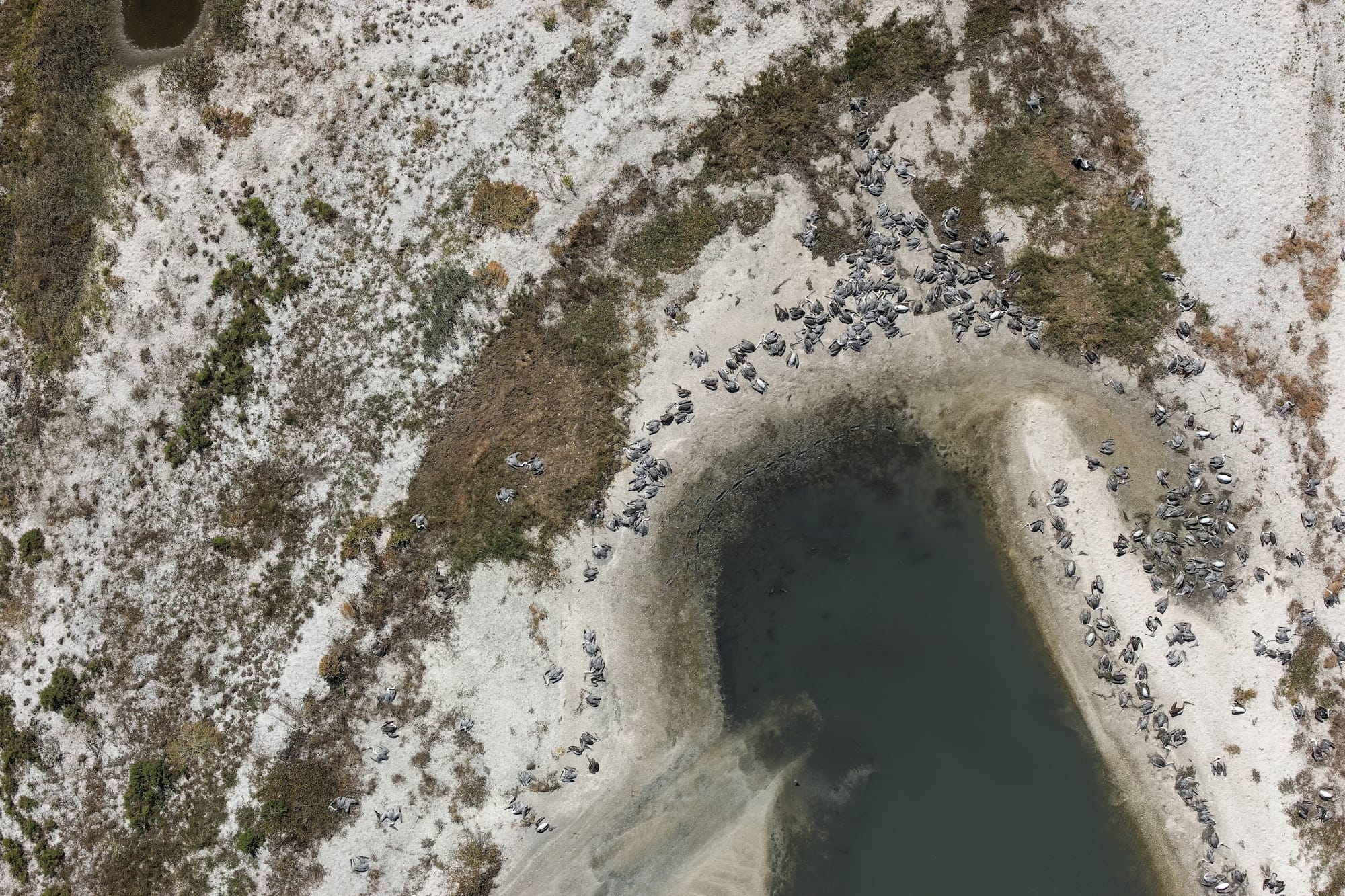
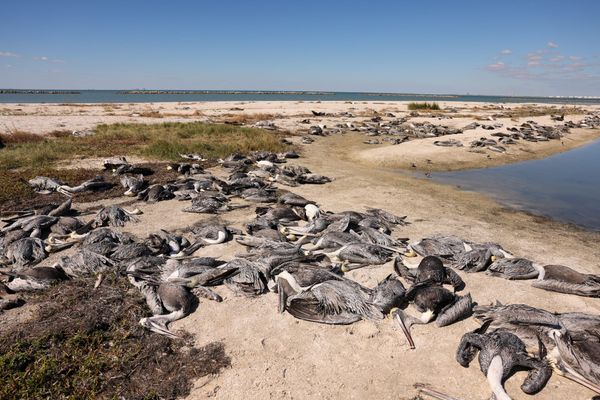
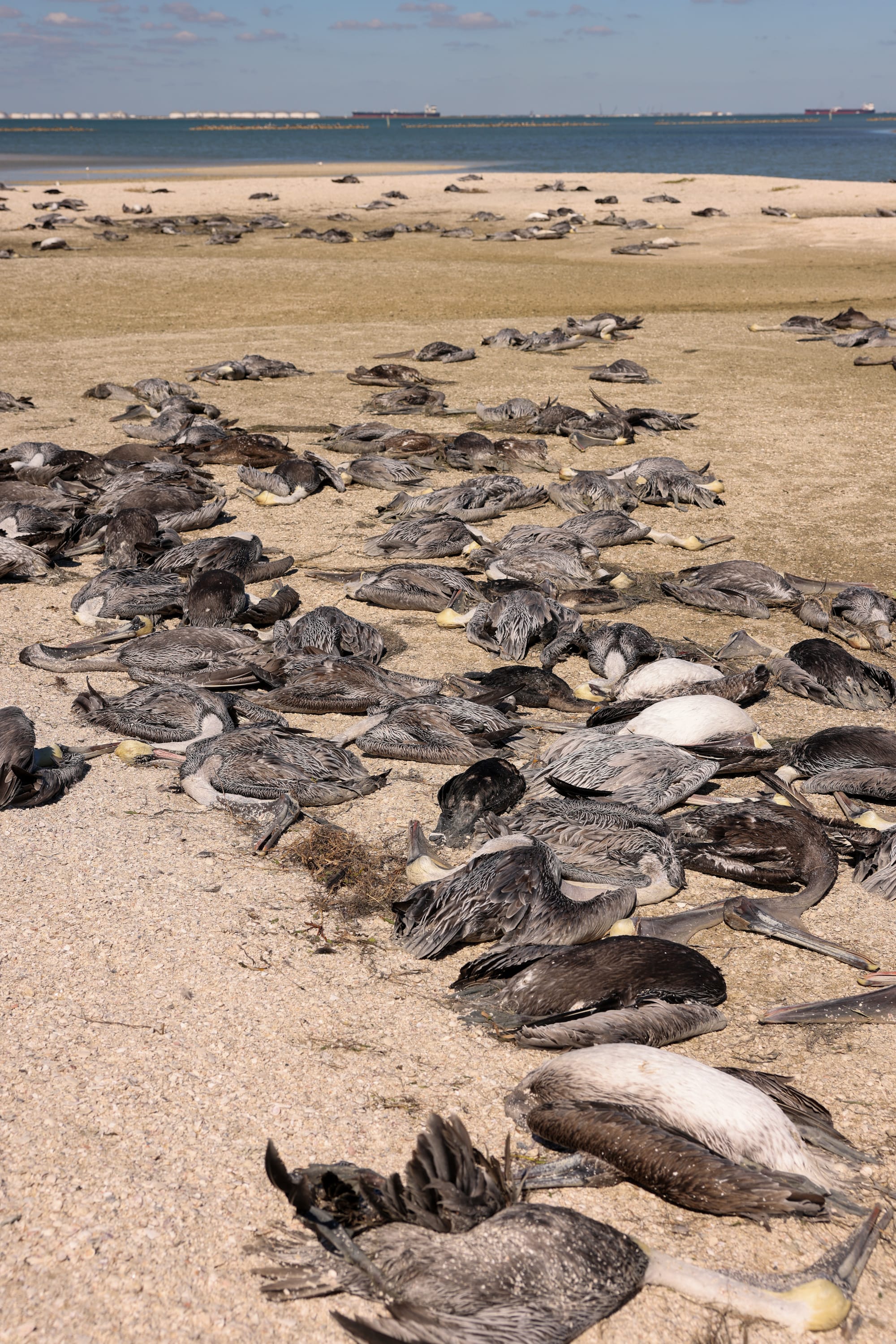
Dead Brown Pelicans lie scattered across a Coastal Bend nesting site following the 1 November hailstorm, which caused one of the region’s most severe recorded bird mortality events. © Harte Research Institute

Rare coastal hailstorm kills or injures nearly 1,900 birds in Texas


Share this post

A violent hailstorm that struck the Coastal Bend of Texas on 1 November delivered a rare and devastating blow to local bird populations. Updated assessments from the Harte Research Institute indicate that nearly 1,900 birds were killed or severely injured, with Brown Pelicans making up the vast majority of the casualties.
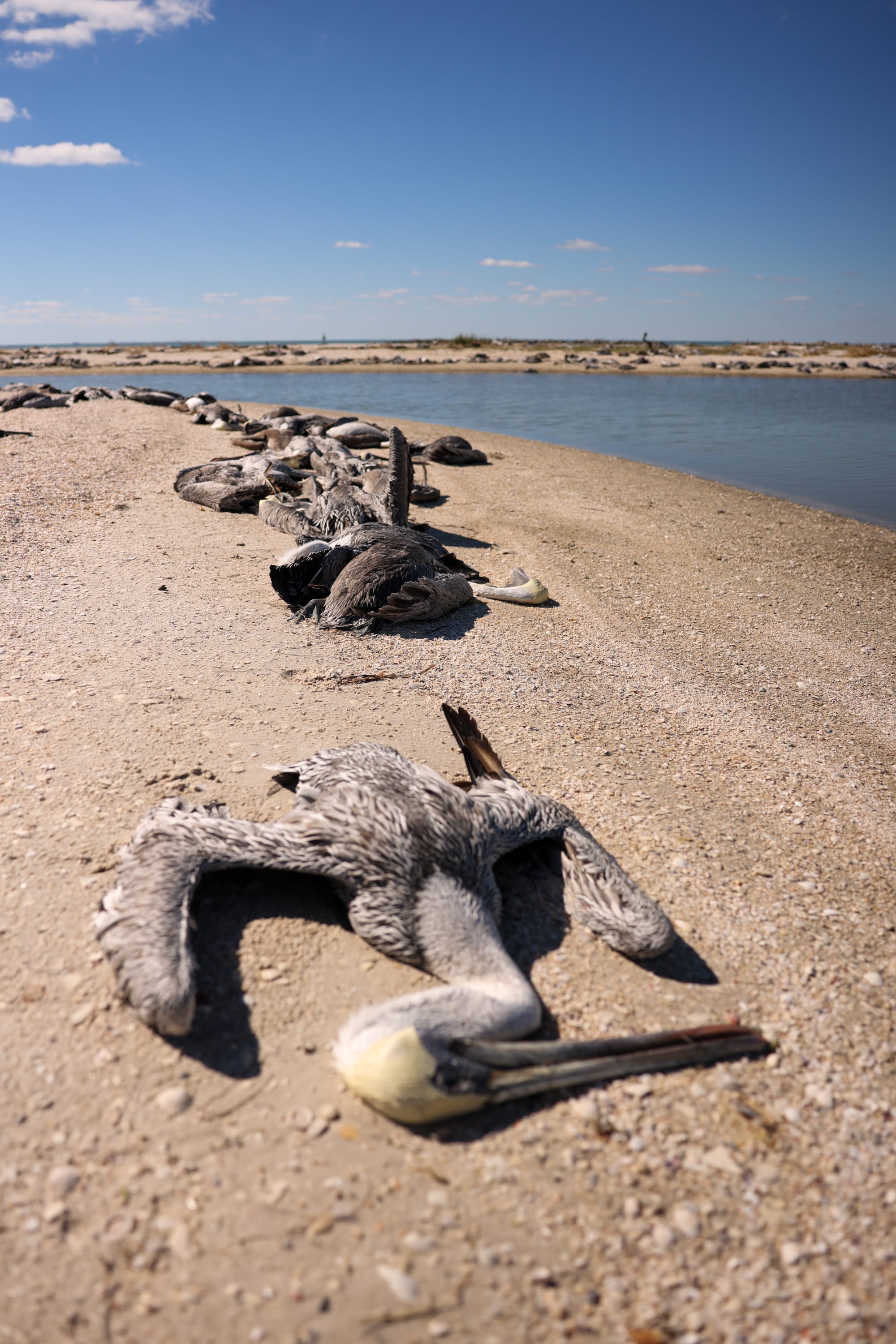
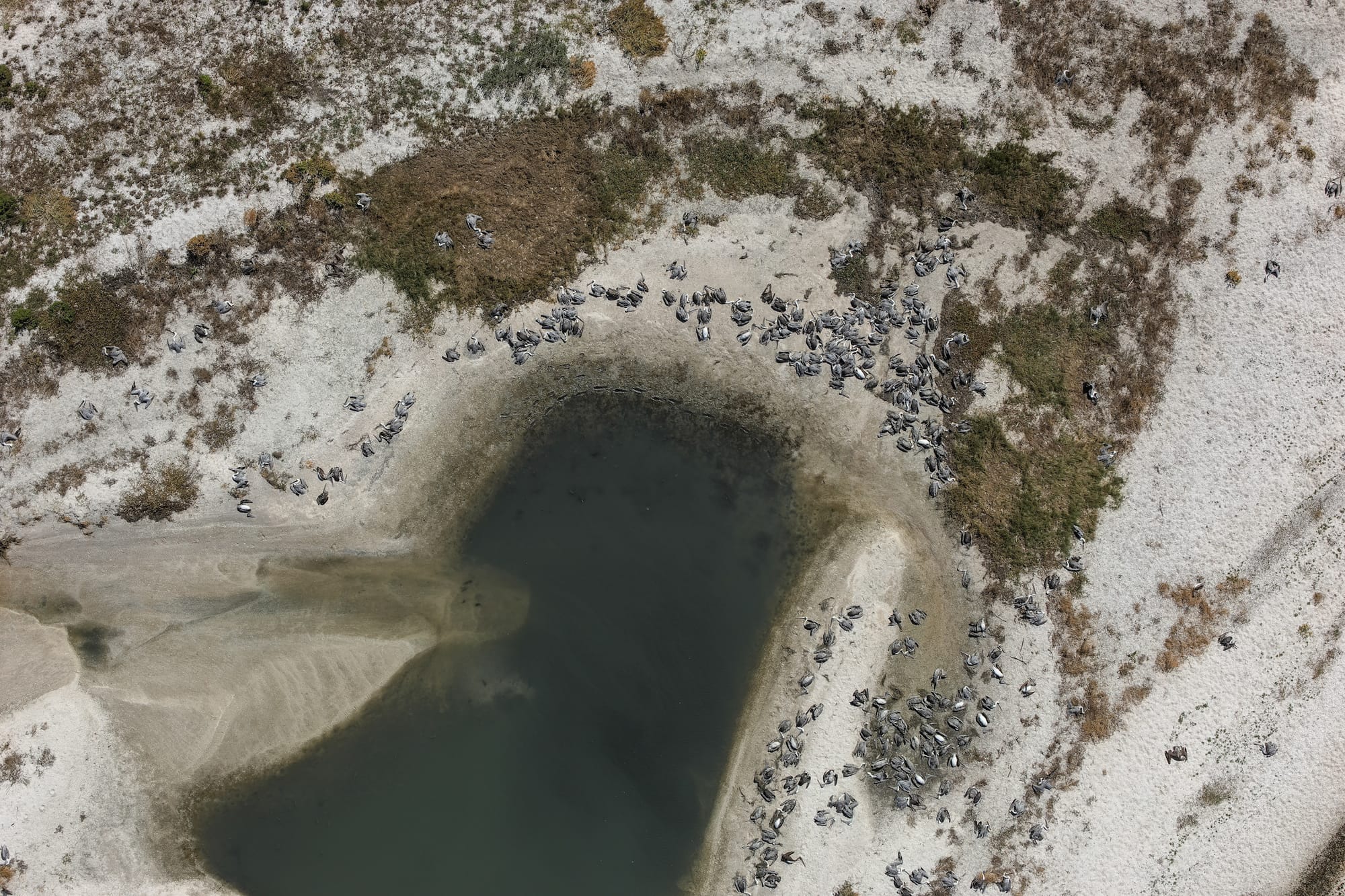
The extent of the hailstorm’s impact becomes clear across the colony, where numerous Brown Pelicans were found dead in a single sweep of the site. © Harte Research Institute

Researchers recorded approximately 1,860 affected birds, including around 1,484 Brown Pelicans. While the storm primarily hit coastal waterbirds, smaller numbers of land-based species such as woodpeckers and falcons were also found among the dead and injured. Field teams described the scale of the event as highly unusual, driven by the combination of a dense coastal colony and a storm that produced consistently large hailstones.

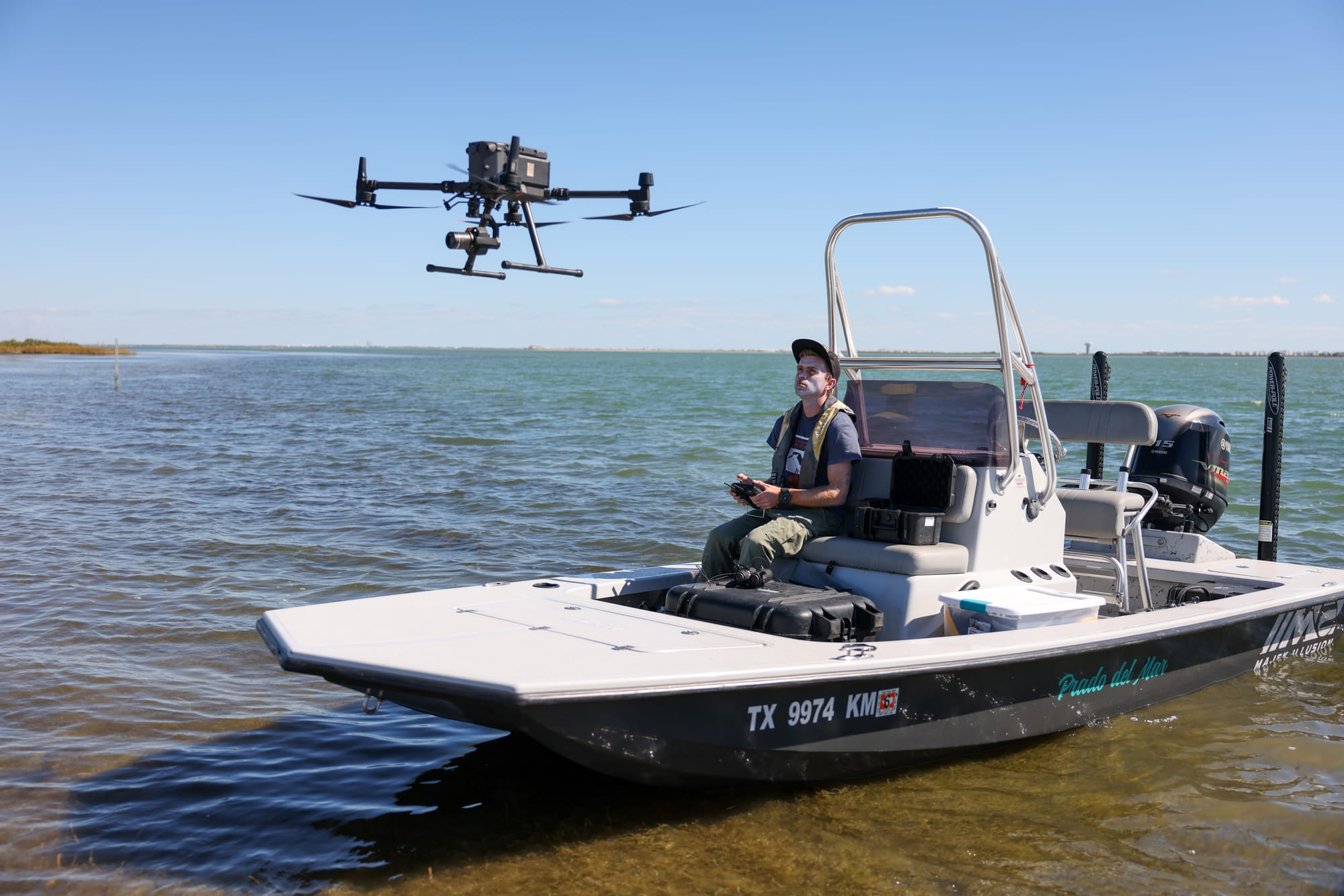
Drone-based surveys were used to map the impact zones, while rehabilitation teams on the ground captured and transferred hundreds of injured birds for treatment. More than 390 individuals have so far been taken to the Amos Rehabilitation Keep in Port Aransas, though many showed severe trauma consistent with high-velocity hail impacts.
Scientists note that while this single event may not alter long-term population trends for abundant species, it highlights the vulnerability of coastal bird colonies to extreme weather. The incident also adds to growing concern about how increasingly erratic storm patterns may influence wildlife survival in the Gulf region.

The Thousand Birder Circle

The Ornithologist logo

If you value thoughtful writing about birds and the ideas behind it, you may wish to explore The Thousand Birder Circle.

Explore the Circle

Share this post
Comments

Be the first to know

Join our community and get notified about upcoming stories

Subscribing...
You've been subscribed!
Something went wrong
World Curlew Day: The Long Decline of Curlews, Now Fully Understood
Far Eastern Curlew (Numenius madagascariensis) occupying a landscape under pressure, mirroring a wider pattern in which curlews endure but rarely recover despite increasing clarity around their decline © Brendan Tucker

World Curlew Day: The Long Decline of Curlews, Now Fully Understood

Curlews are not disappearing unnoticed. The causes of their decline are now well understood, yet across flyways and landscapes, recovery remains limited and uneven — raising a harder question about the scale and persistence of our response.


Gyorgy Szimuly

Gyorgy Szimuly

What Do Shearwaters Eat? Uncovering a Mediterranean Food Web
The Mediterranean endemic, Yelkouan Shearwater, relies heavily on small pelagic fish such as anchovies and mackerel, linking its fortunes closely to the region’s marine food web. © Jessica Joachim

What Do Shearwaters Eat? Uncovering a Mediterranean Food Web

DNA metabarcoding and stable isotope analysis reveal how two Mediterranean shearwaters share the same prey — and what that overlap tells us about life in a changing marine ecosystem.


Gyorgy Szimuly

Gyorgy Szimuly

Evolution or Plasticity? What the Hermit Thrush Reveals About Climate Change
Long regarded as stable, the Hermit Thrush now reveals how environmental change can leave measurable imprints on form and function. © Mark Daly

Evolution or Plasticity? What the Hermit Thrush Reveals About Climate Change

Over four decades, a familiar North American songbird has grown smaller. But genomic evidence reveals that not all of these changes are evolutionary – some may simply reflect the remarkable plasticity of living organisms in a warming world.


Gyorgy Szimuly

Gyorgy Szimuly

Fabricated Birds: AI and the Future of Ornithology
AI-generated image. A Shoebill (Balaeniceps rex) in papyrus habitat. The bird depicted here does not exist – a reminder that in the age of generative imagery, realism is no longer proof of presence. Image created by Daniel Szimuly/The Ornithologist. All rights reserved.

Fabricated Birds: AI and the Future of Ornithology

When we generated a Shoebill that never existed, the realism was flawless – and unsettling. In an age where synthetic plausibility becomes effortless, ornithology must reconsider what authenticity means and how it is protected.


Gyorgy Szimuly

Gyorgy Szimuly