Introducing the Thousand Birder Circle
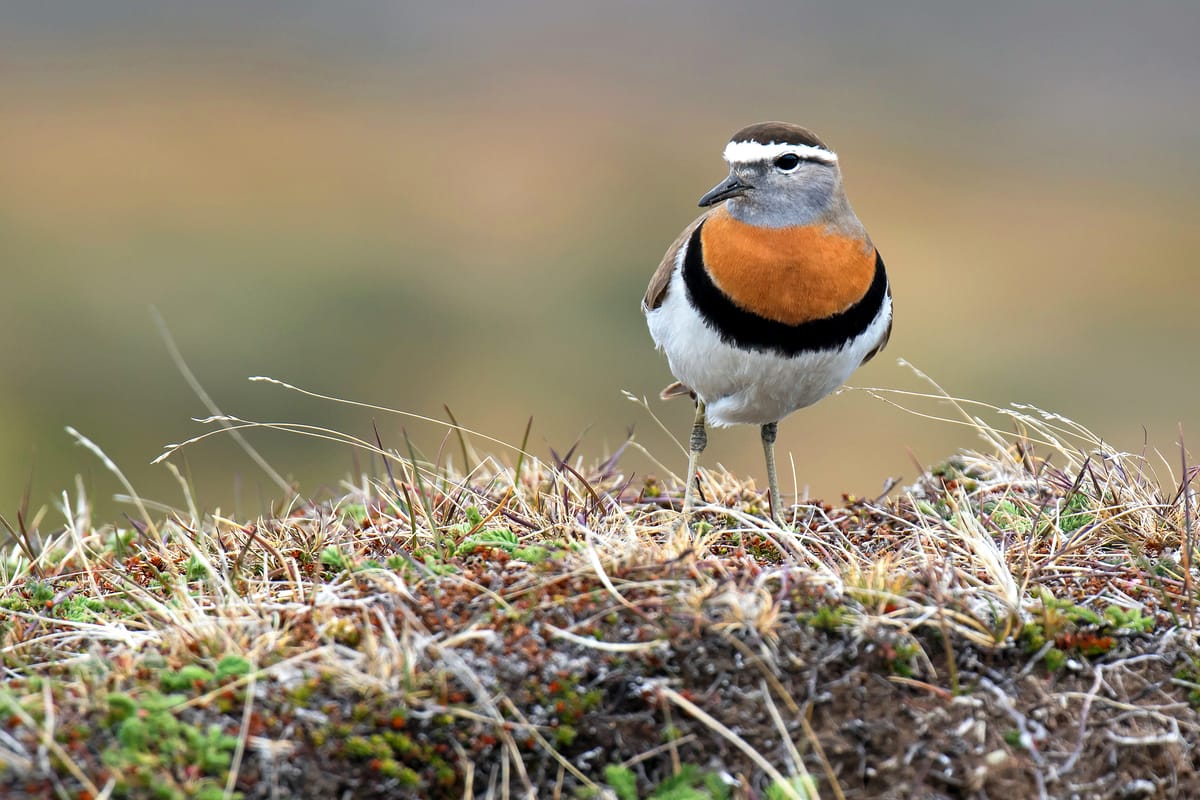
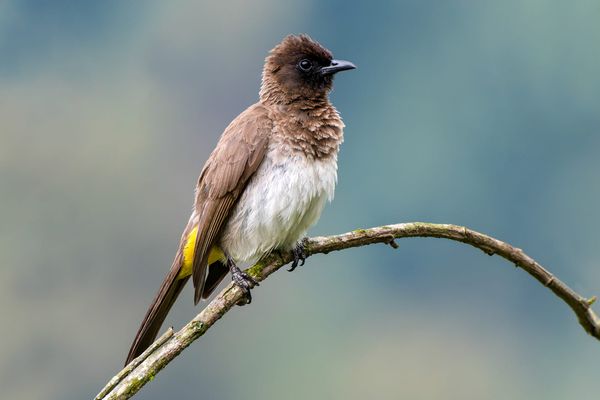
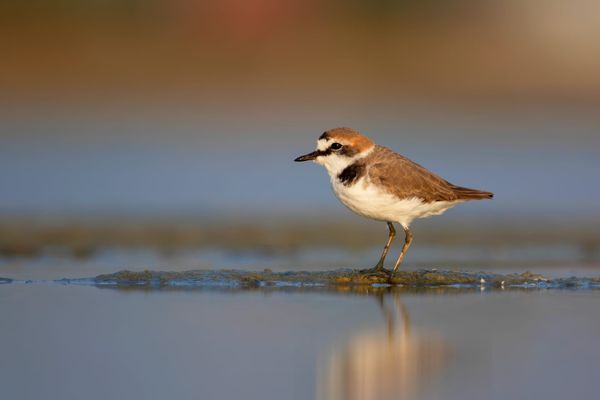
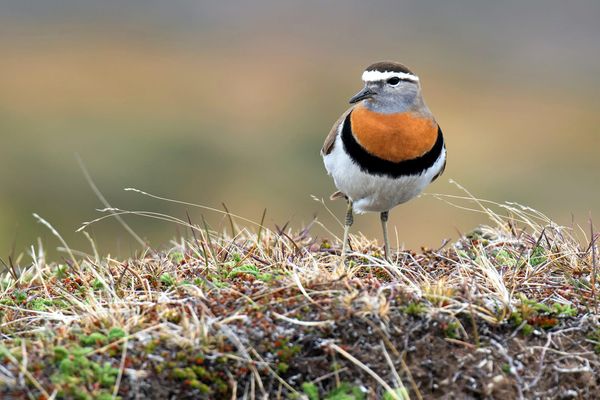
Some birds reward the patient observer or photographer — just as thoughtful writing rewards the patient reader. © Daniel López Velasco

Introducing the Thousand Birder Circle

A community of readers who wish to support thoughtful ornithological writing and the continued development of The Ornithologist.


Share this post

During its first year, The Ornithologist has grown from a simple idea into a serious independent publication. What began as an editorial experiment has gradually developed into a space for careful science communication, reflective field observation, and conversations about birds that extend beyond daily news cycles.

The publication now approaches its first anniversary with nearly one hundred articles published and a growing readership of birders, researchers, and conservationists. Many readers have written thoughtful responses, shared articles widely, and encouraged the continuation of the project. Some have also asked whether there is a way to support the publication more directly.

Today, we introduce The Thousand Birder Circle.

The Circle is not a club built on exclusivity. Instead, it is a community of readers who choose to support the continued development of The Ornithologist. Membership contributions help sustain the editorial work behind the publication and provide the stability needed to continue producing careful, independent writing about birds.

Most articles will remain freely accessible, as they always have. The Circle simply offers one way for readers who value the work to stand behind it.

For those who wish to learn more, a dedicated page now explains the idea in greater detail and outlines the different ways readers can participate.

If the publication has resonated with you over the past year, you are warmly invited to take a look. You can explore The Thousand Birder Circle here:

The Thousand Birder Circle
Some publications grow through large audiences. Others grow because a small number of people believe the work is worth sustaining.

Share this post
Comments

Be the first to know

Join our community and get notified about upcoming stories

Subscribing...
You've been subscribed!
Something went wrong
What Do Shearwaters Eat? Uncovering a Mediterranean Food Web
The Mediterranean endemic, Yelkouan Shearwater, relies heavily on small pelagic fish such as anchovies and mackerel, linking its fortunes closely to the region’s marine food web. © Jessica Joachim

What Do Shearwaters Eat? Uncovering a Mediterranean Food Web

DNA metabarcoding and stable isotope analysis reveal how two Mediterranean shearwaters share the same prey — and what that overlap tells us about life in a changing marine ecosystem.


Gyorgy Szimuly

Gyorgy Szimuly

Evolution or Plasticity? What the Hermit Thrush Reveals About Climate Change
Long regarded as stable, the Hermit Thrush now reveals how environmental change can leave measurable imprints on form and function. © Mark Daly

Evolution or Plasticity? What the Hermit Thrush Reveals About Climate Change

Over four decades, a familiar North American songbird has grown smaller. But genomic evidence reveals that not all of these changes are evolutionary – some may simply reflect the remarkable plasticity of living organisms in a warming world.


Gyorgy Szimuly

Gyorgy Szimuly

Fabricated Birds: AI and the Future of Ornithology
AI-generated image. A Shoebill (Balaeniceps rex) in papyrus habitat. The bird depicted here does not exist – a reminder that in the age of generative imagery, realism is no longer proof of presence. Image created by Daniel Szimuly/The Ornithologist. All rights reserved.

Fabricated Birds: AI and the Future of Ornithology

When we generated a Shoebill that never existed, the realism was flawless – and unsettling. In an age where synthetic plausibility becomes effortless, ornithology must reconsider what authenticity means and how it is protected.


Gyorgy Szimuly

Gyorgy Szimuly