World Curlew Day arrives each year with a familiar tension. Recognition is growing, but resolution remains distant. Across the genus (Numenius), the overall trajectory is still negative, and recent studies largely confirm what fieldworkers have sensed for years: curlews are holding on in places, but not recovering.
A widening evidence base, but limited reversal
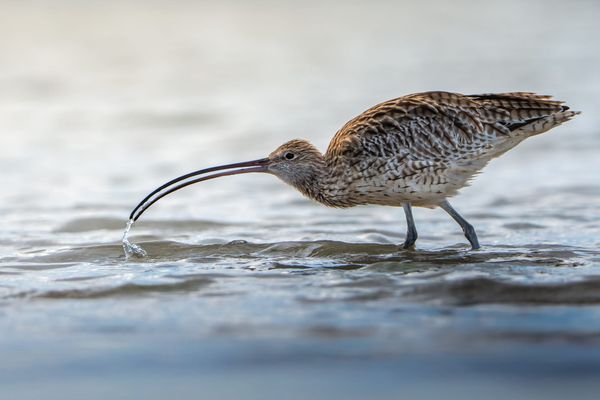
Recent European work on the Eurasian Curlew (Numenius arquata) has sharpened the picture. The issue is not adult survival. It is productivity.
Across multiple long-term studies, breeding success remains consistently low. Nests fail. Chicks disappear. Generalist predators and degraded farmland habitats combine to keep recruitment below sustainable levels.
In many landscapes, adult birds are still present – calling, displaying, returning to the same fields. But populations are ageing. Without enough fledged young, decline becomes quieter and slower. Less visible, but no less certain.
The same pattern, repeated elsewhere
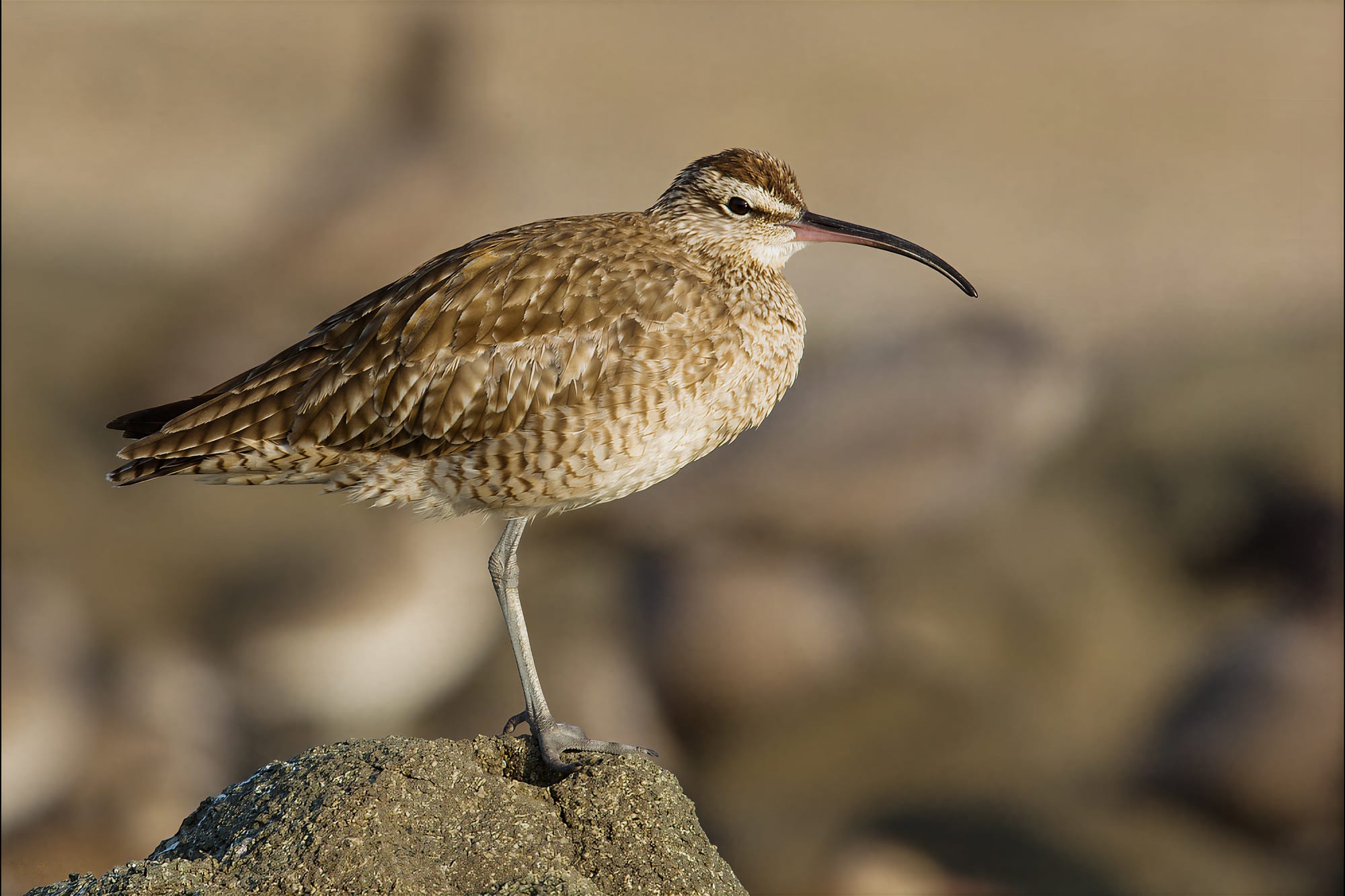
Along the East Asian–Australasian Flyway, the Far Eastern Curlew (Numenius madagascariensis) faces a different set of pressures, but a similar outcome. Satellite tracking and recent flyway-scale studies point clearly to the loss of intertidal habitat, particularly along the Yellow Sea.
There have been policy shifts, and in some regions protection has improved. But recovery is uneven. In several key areas, birds are still losing the feeding grounds they depend on during migration.
The unresolved absence
The Slender-billed Curlew (Numenius tenuirostris) remains an absence rather than a presence. Widely regarded as functionally extinct, it has become a reference point – often cited, rarely fully absorbed.
Its disappearance was not due to a single failure, but to a lack of coordination across its range. By the time the pieces came together, the species had already slipped beyond reach.
That pattern is uncomfortably familiar.
Responses that work – locally
There are positive signals. Predator control trials in parts of the UK have improved nesting success where applied intensively. Agri-environment schemes are becoming more specific, with measures tailored to curlew breeding requirements. Along the Yellow Sea, some large-scale habitat protections are now in place.
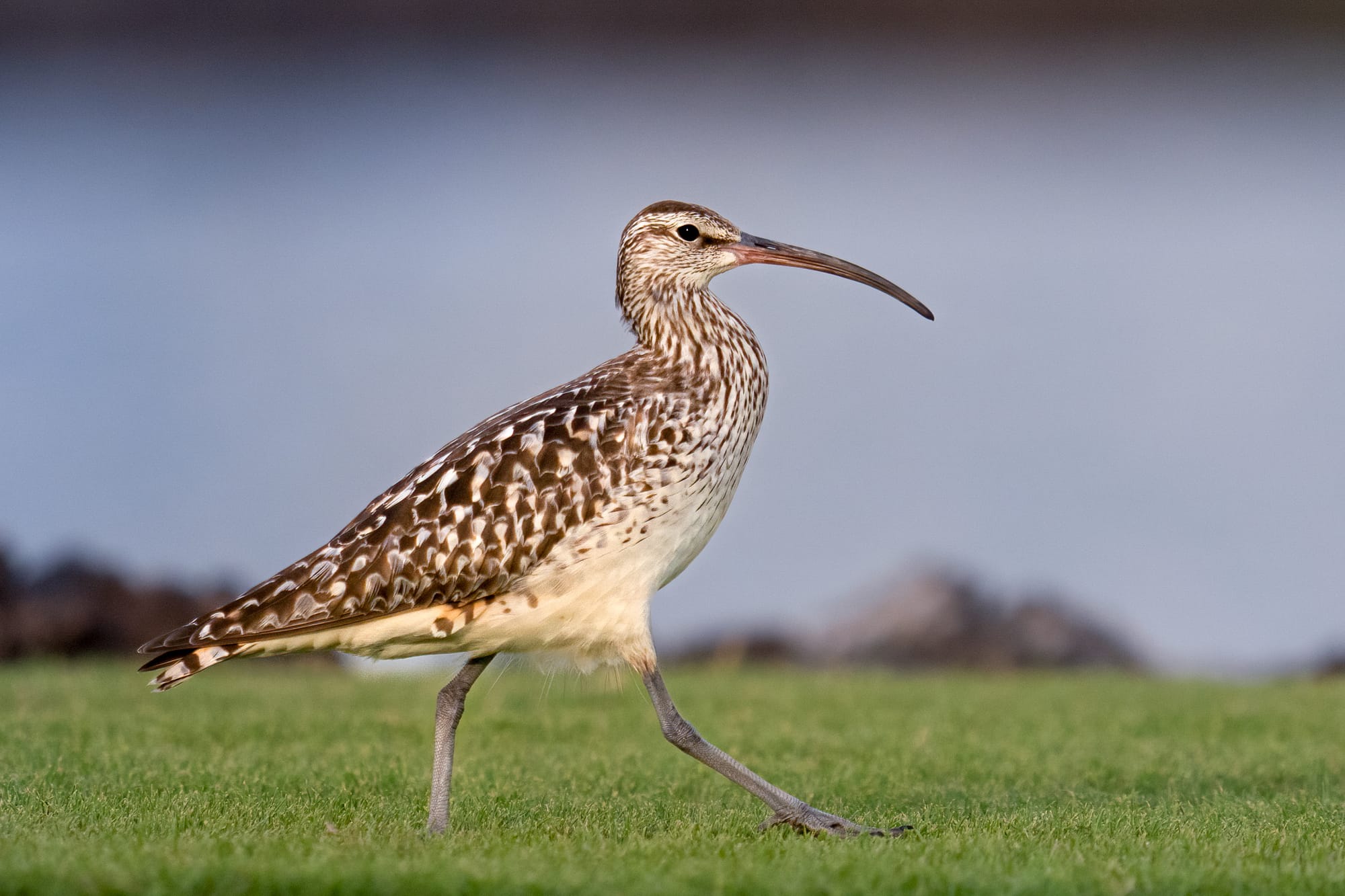
But these efforts remain uneven and often localised. Curlews do not operate at that scale. They move across landscapes and borders, across entire flyways.
A species group that tests conservation patience
Curlews are slow to respond. Long-lived, late to mature, producing relatively few young – this is not a system that rebounds quickly.
Even effective conservation may take years, sometimes decades, to show results. That creates a tension. Funding cycles are short. Political attention is shorter.
Curlews require something else: continuity.
A measured outlook
There is no single story for curlews in 2026. Some populations are stabilising under sustained management. Others continue to decline, often in places that receive little attention.
What has changed is clarity. The mechanisms are now well understood.
The question is no longer what is happening.
It is whether the response will match it – both in scale, and in time.