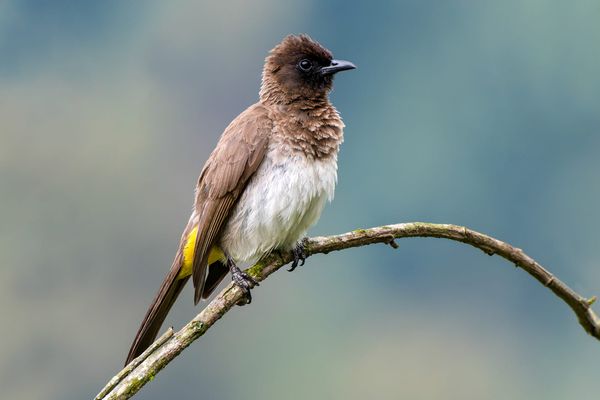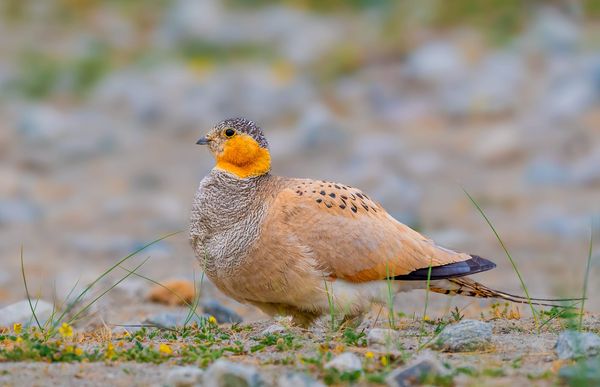
The Shape of the Bird Tree: A Global Phylogeny of 11,000 Species
A new global bird tree maps the evolutionary relationships of ~11,000 species, offering powerful tools for research and conservation planning.
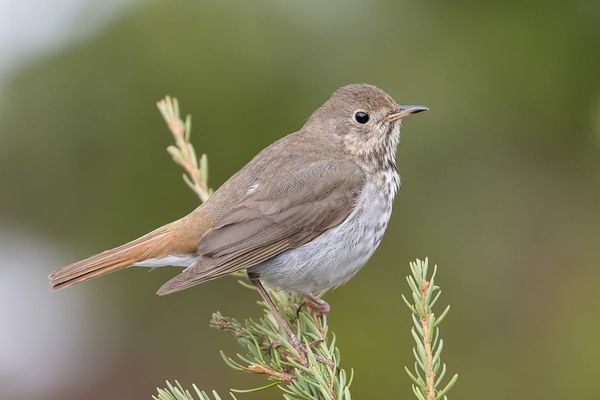
Evolution or Plasticity? What the Hermit Thrush Reveals About Climate Change
Over four decades, a familiar North American songbird has grown smaller. But genomic evidence reveals that not all of these changes are evolutionary – some may simply reflect the remarkable plasticity of living organisms in a warming world.

Gyorgy Szimuly

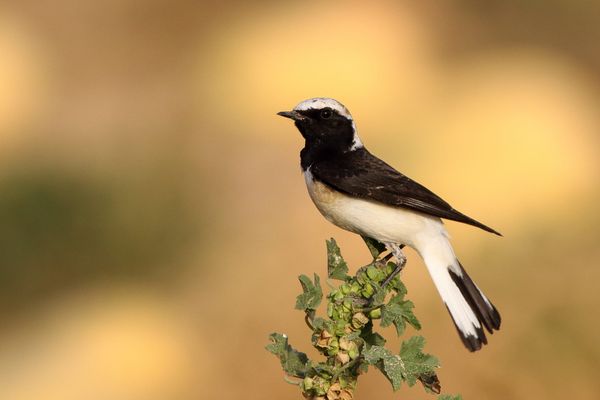
Three Wheatears, Three Routes into Africa
Three closely related wheatears leave southern Europe for different parts of Africa. Tracking birds from Spain, Greece and Romania reveals contrasting migration routes and places Eastern Black-eared Wheatears more than 1,000 kilometres beyond their previously described non-breeding range.
Gyorgy Szimuly