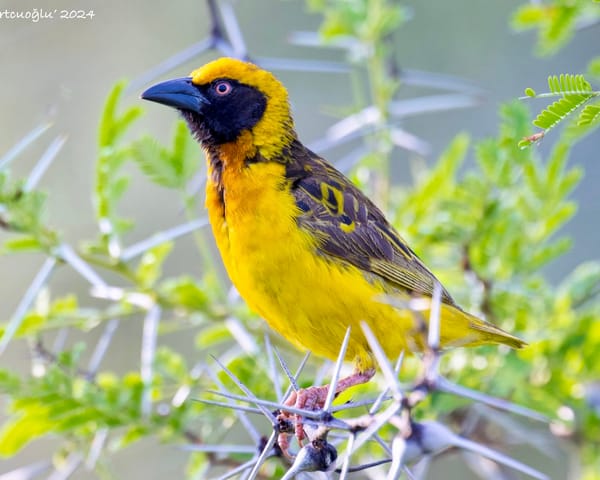
Rethinking Rarity: The Return of Fox’s Weaver in Uganda
New field records of Uganda’s only endemic bird challenge long-held assumptions about its rarity. The Fox’s Weaver isn’t extinct – it’s breeding, and it’s been hiding in overlooked wetlands all along.
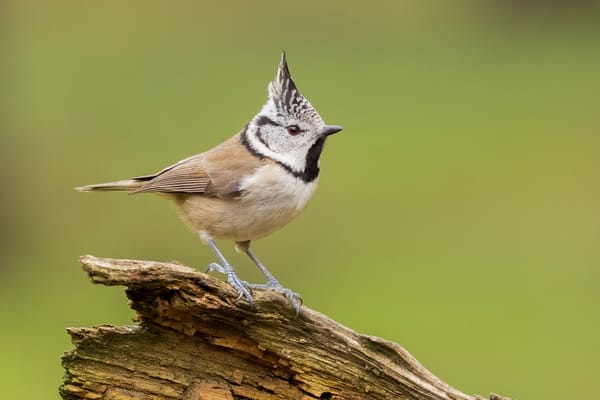
Sound-based surveys uncover fine-scale habitat selection in the declining Crested Tit
New research from Finland suggests that Crested Tits respond more to fine-scale forest structure than to forest age in early spring, challenging assumptions about how habitat quality is defined in managed boreal forests.

Gyorgy Szimuly
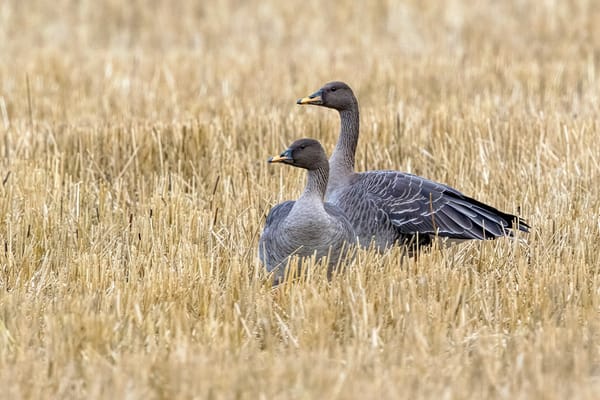
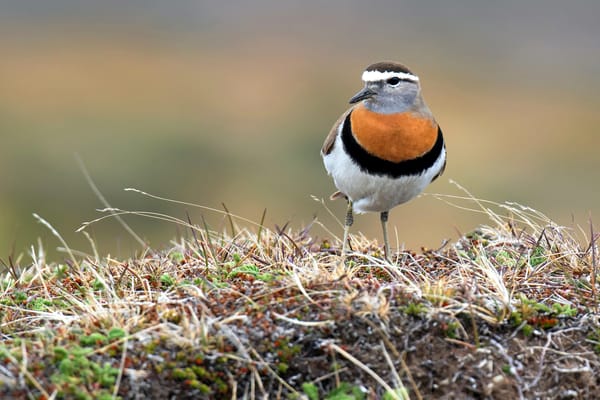


Upstream of Science: The Role of Bird Art in Understanding — An Interview with Szabolcs Kókay
Ornithology begins not with numbers, but with looking. This conversation with Szabolcs Kókay examines how bird art operates upstream from science – shaping what we notice, understand, and value.
Gyorgy Szimuly
The Ornithologist Launches ‘Conceptual Notes’: Exploring the Unanswered Questions in Ornithology
The Ornithologist has launched a new editorial series titled Conceptual Notes, designed to give space to questions, uncertainties, and unresolved patterns that sit just beyond the boundaries of conventional scientific publishing. The series responds to a familiar tension in ornithology and ecology: while journals excel at reporting methods, results, and conclusions, there is far less room to discuss the moments before hypotheses solidify, or the ambiguities that persist even after d
Gyorgy Szimuly