Upstream of Science: The Role of Bird Art in Understanding — An Interview with Szabolcs Kókay
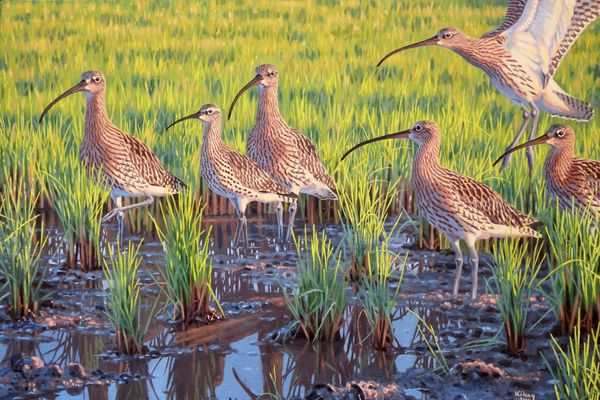
A reconstruction of a species now considered extinct, placed carefully within the landscape that once held it. Slender-billed Curlew with Eurasian Curlews on oil (2010). All Rights Reserved by Szabolcs Kókay

Upstream of Science: The Role of Bird Art in Understanding — An Interview with Szabolcs Kókay

Ornithology begins not with numbers, but with looking. This conversation with Szabolcs Kókay examines how bird art operates upstream from science – shaping what we notice, understand, and value.
Share this post
Fabricated Birds: AI and the Future of Ornithology
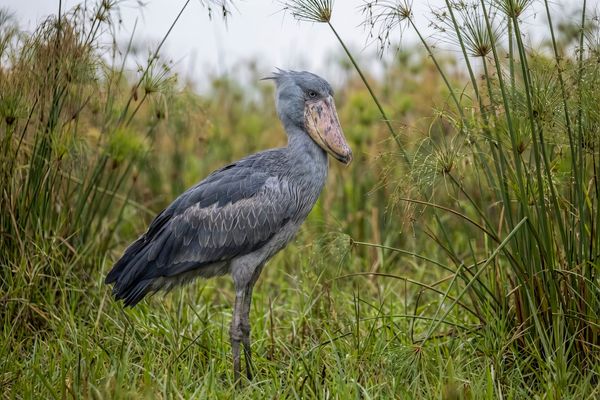
AI-generated image. A Shoebill (Balaeniceps rex) in papyrus habitat. The bird depicted here does not exist – a reminder that in the age of generative imagery, realism is no longer proof of presence. Image created by Daniel Szimuly/The Ornithologist. All rights reserved.

Fabricated Birds: AI and the Future of Ornithology

When we generated a Shoebill that never existed, the realism was flawless – and unsettling. In an age where synthetic plausibility becomes effortless, ornithology must reconsider what authenticity means and how it is protected.


Gyorgy Szimuly

Gyorgy Szimuly

In Defence of Bird Conservation in a Broken World
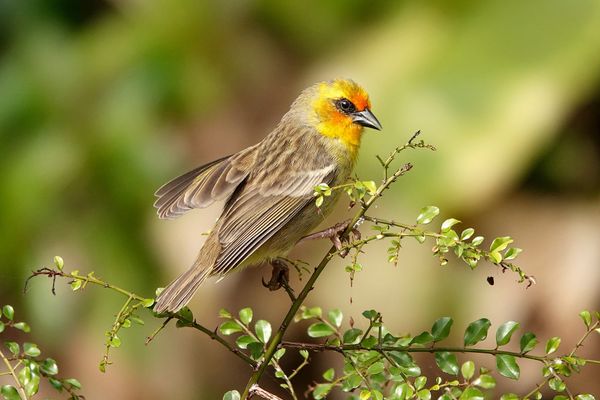
Native to Rodrigues in the Indian Ocean, this small passerine fell to a few hundred birds in the 1970s as forests disappeared. Thanks to sustained restoration, the Rodrigues Fody population has rebounded, becoming one of conservation’s quiet success stories. © Alex Jones

In Defence of Bird Conservation in a Broken World

When the world feels fractured beyond repair, speaking about bird conservation can sound almost indulgent. Yet in the quiet persistence of those who still care, a truth endures: to protect the living fabric of the Earth is not a luxury. It is an act of survival — and of humanity.


Gyorgy Szimuly
Gyorgy Szimuly

Three Wheatears, Three Routes into Africa
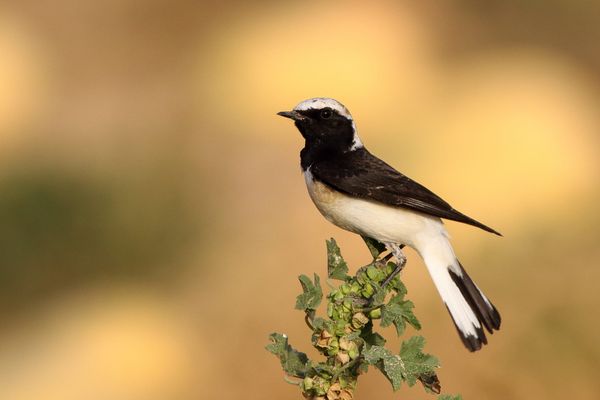
Pied Wheatears breeding at the western edge of their vast Eurasian range take a surprisingly direct migration route through Anatolia and the Arabian Peninsula to non-breeding grounds in Somalia. / Las collalbas pías que se reproducen en el extremo occidental de su extensa área de distribución euroasiática siguen una ruta migratoria sorprendentemente directa a través de Anatolia y la península arábiga hasta sus zonas no reproductoras en Somalia. © Ohad Sherer

Three Wheatears, Three Routes into Africa

Three closely related wheatears leave southern Europe for different parts of Africa. Tracking birds from Spain, Greece and Romania reveals contrasting migration routes and places Eastern Black-eared Wheatears more than 1,000 kilometres beyond their previously described non-breeding range.


Gyorgy Szimuly
Gyorgy Szimuly

Six Years After First Breeding, Alpine Swifts Are Colonising Hungary
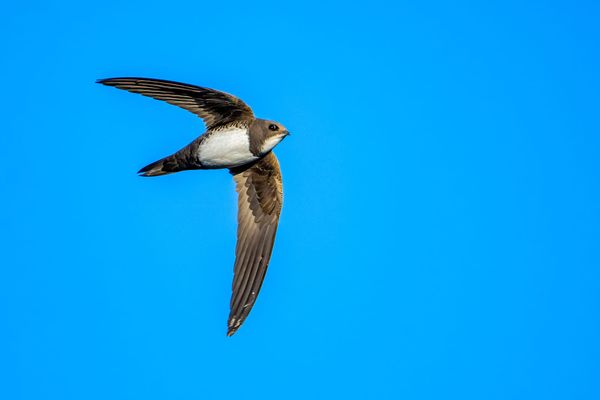
The Alpine Swift was considered a rare visitor to Hungary until breeding was first confirmed in 2020. Six years later, it is breeding in several Hungarian cities, and its numbers continue to grow. / El vencejo real se consideraba un visitante raro en Hungría hasta que se confirmó por primera vez su reproducción en 2020. Seis años después, se reproduce en varias ciudades húngaras y su población sigue creciendo. © James Hoagland

Six Years After First Breeding, Alpine Swifts Are Colonising Hungary

Six years after Alpine Swifts first bred in Hungary, their numbers are increasing and new breeding sites are appearing. What began as an exceptional event is starting to look like an established population.


Gyorgy Szimuly

Gyorgy Szimuly

When Can a Bird Afford to Moult?
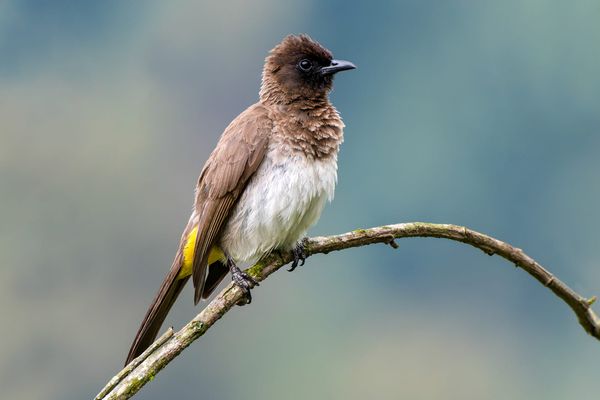
Common Bulbuls can breed year-round, yet their moult remains strongly seasonal and responsive to body condition and diet. / Los bulbules naranjeros pueden reproducirse durante todo el año, pero su muda sigue siendo marcadamente estacional y responde a la condición corporal y a la dieta. © Jeff Maw

When Can a Bird Afford to Moult?

In Common Bulbuls, the conditions associated with starting moult differ from those associated with completing it quickly. An experiment in Nigeria shows how body condition and diet shape different stages of feather replacement.


Gyorgy Szimuly

Gyorgy Szimuly

Do GPS Tags Affect Small Shorebirds?
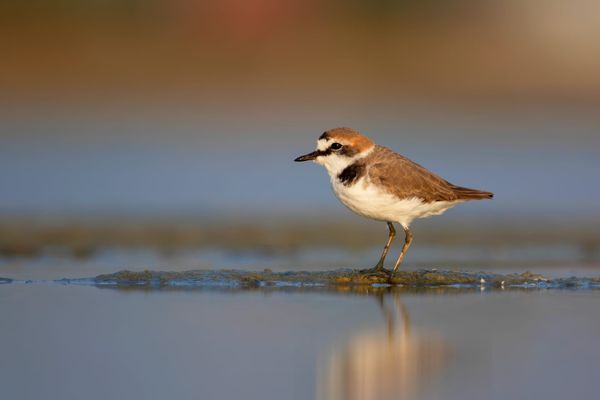
Advances in lightweight GPS technology are allowing researchers to study the movements of even small shorebirds like the Kentish Plover (Anarhynchus alexandrinus) while carefully assessing the welfare implications of tagging. © Ayuwat Jearwattanakanok

Do GPS Tags Affect Small Shorebirds?

Solar-powered GPS tags are opening new possibilities in shorebird research — but how close are we to the limits of what small birds can carry without consequence?


Gyorgy Szimuly

Gyorgy Szimuly