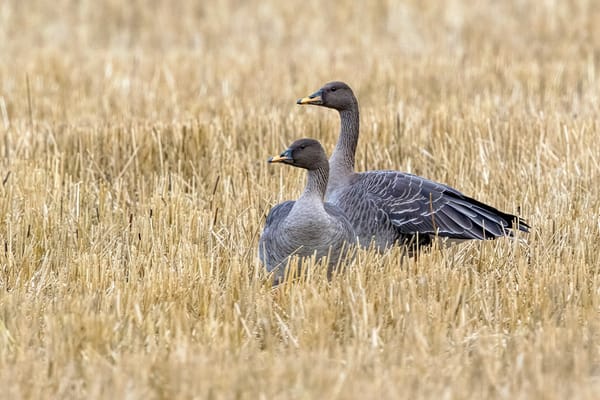
Choosing Survival: Habitat Shifts in Wintering Taiga Bean Geese
When frost locks grasslands out of reach, Taiga Bean Geese turn to winter cereal fields to survive. New research shows how these fields become lifelines during the coldest days of winter.
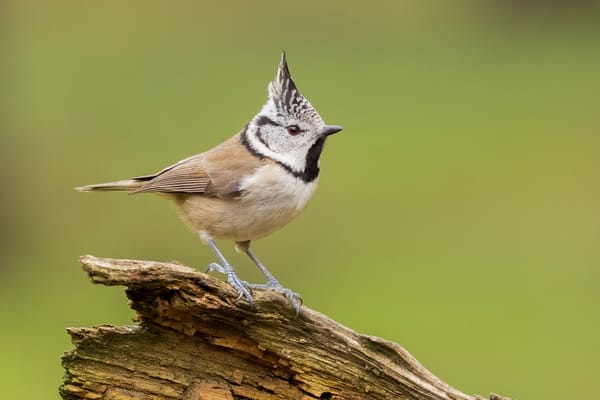
Sound-based surveys uncover fine-scale habitat selection in the declining Crested Tit
New research from Finland suggests that Crested Tits respond more to fine-scale forest structure than to forest age in early spring, challenging assumptions about how habitat quality is defined in managed boreal forests.

Gyorgy Szimuly
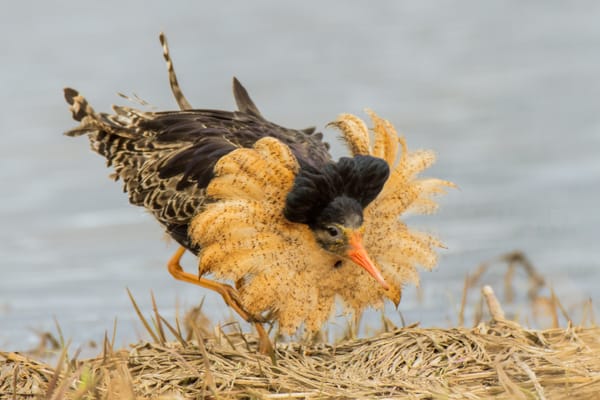
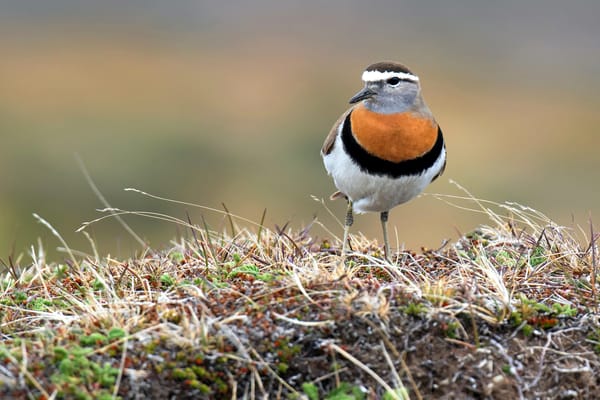
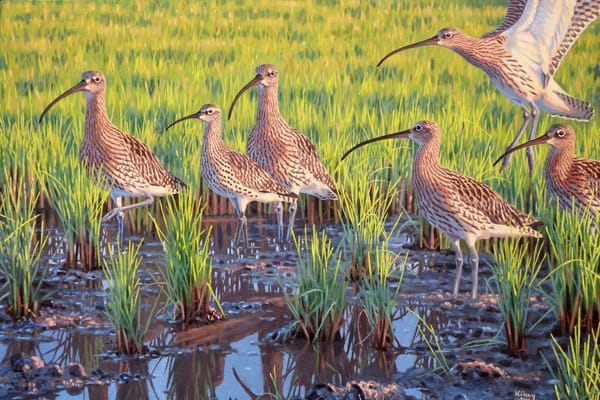
Upstream of Science: The Role of Bird Art in Understanding — An Interview with Szabolcs Kókay
Ornithology begins not with numbers, but with looking. This conversation with Szabolcs Kókay examines how bird art operates upstream from science – shaping what we notice, understand, and value.
Gyorgy Szimuly
The Ornithologist Launches ‘Conceptual Notes’: Exploring the Unanswered Questions in Ornithology
The Ornithologist has launched a new editorial series titled Conceptual Notes, designed to give space to questions, uncertainties, and unresolved patterns that sit just beyond the boundaries of conventional scientific publishing. The series responds to a familiar tension in ornithology and ecology: while journals excel at reporting methods, results, and conclusions, there is far less room to discuss the moments before hypotheses solidify, or the ambiguities that persist even after d
Gyorgy Szimuly