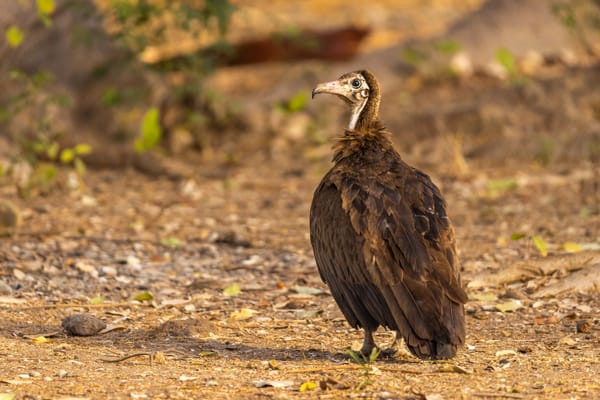
Where People Live, Hooded Vultures Survive – For Now
In The Gambia, the Hooded Vulture survives not in wilderness, but alongside people. A new habitat model reveals how narrow that margin has become — and how tightly the species’ future is bound to human landscapes.
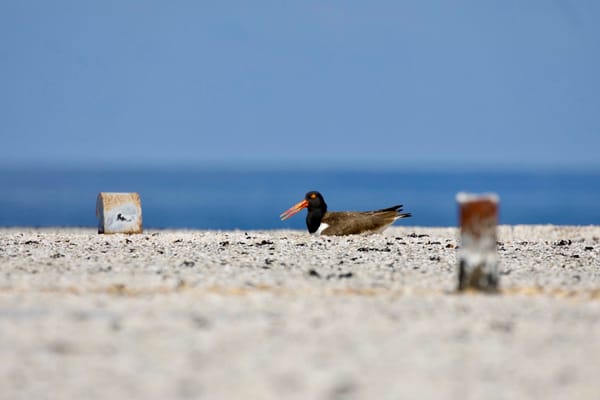
American Oystercatchers Take to the Rooftops: A Desperate Response to a Shrinking Coastline
As coastal nesting habitats disappear, American Oystercatchers along Florida’s Gulf Coast are turning to gravel rooftops—an extraordinary but risky adaptation driven by urban expansion and shrinking shorelines.

Abigail McKay
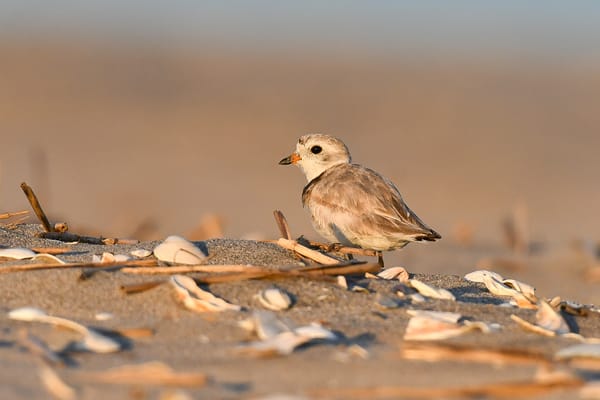


Upstream of Science: The Role of Bird Art in Understanding — An Interview with Szabolcs Kókay
Ornithology begins not with numbers, but with looking. This conversation with Szabolcs Kókay examines how bird art operates upstream from science – shaping what we notice, understand, and value.

Gyorgy Szimuly
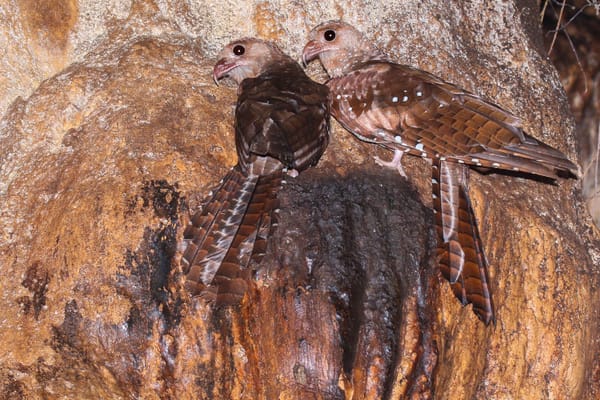
The Ornithologist Launches ‘Conceptual Notes’: Exploring the Unanswered Questions in Ornithology
The Ornithologist has launched a new editorial series titled Conceptual Notes, designed to give space to questions, uncertainties, and unresolved patterns that sit just beyond the boundaries of conventional scientific publishing. The series responds to a familiar tension in ornithology and ecology: while journals excel at reporting methods, results, and conclusions, there is far less room to discuss the moments before hypotheses solidify, or the ambiguities that persist even after d
Gyorgy Szimuly
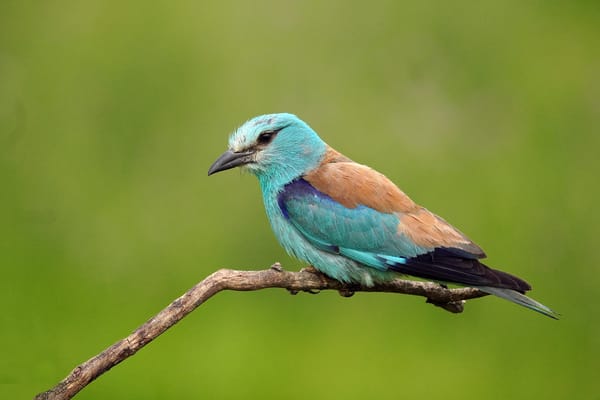
How European Is the European Roller?
Conceptual Note: This piece sits deliberately between observation and explanation: it outlines what is currently supported by evidence, then turns to the not knowing that remains — treating uncertainty not as a failure of understanding, but as a necessary part of how knowledge advances. The European Roller carries one of the most self-assured names in ornithology. It sounds precise, settled, geographically honest. Yet the bird it describes has always been only partly Eu
Gyorgy Szimuly
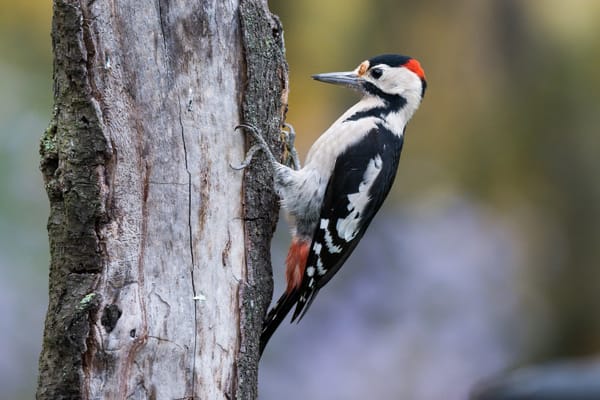
Is Woodpecker Drumming More Than Noise?
Conceptual Note: This piece sits deliberately between observation and explanation: it outlines what is currently supported by evidence, then turns to the not knowing that remains — treating uncertainty not as a failure of understanding, but as a necessary part of how knowledge advances. The forgotten song Among birds, few behaviours are as immediately recognisable as the drumming of a woodpecker. Long before the bird itself is seen, the rapid, percussive burst carries
Gyorgy Szimuly