Since 1995, the Agreement on the Conservation of African-Eurasian Migratory Waterbirds (AEWA) has been a quiet force behind one of the world’s most ambitious bird conservation networks. Signed under the Convention on Migratory Species (CMS), AEWA was born from the realisation that waterbirds—often spanning thousands of kilometres across vastly different countries and habitats—cannot be protected by isolated national efforts.
Start with a FREE membership
Read selected content with a free account. To unlock all other premium articles, join us for just £4.99/month. You're supporting independent journalism, bird science and conservation.
Thirty years later, the initiative stands as a global model for how science-based, legally binding frameworks can guide multilateral conservation with measurable impact.
A Flyway-Based Agreement with Teeth
AEWA covers 255 migratory waterbird species across 119 range states in Africa, Europe, the Middle East, Central Asia, and parts of the Canadian Arctic. From common ducks and waders to threatened species like the Northern Bald Ibis and Slender-billed Curlew, its scope spans both abundance and urgency.
Unlike many international agreements that lack follow-through, AEWA is binding for signatories – and its conservation action plans are grounded in science. These plans include population-specific objectives, habitat protections, monitoring protocols, and prioritised actions for governments and NGOs.
A flagship innovation has been AEWA’s regularly updated Conservation Status Review, a scientific reference based on population size trends, breeding success, and threats. These data feed directly into International Single and Multi-Species Action Plans, which are coordinated, costed, and tracked with rigour.

From Policy to Protection: Successes in the Field
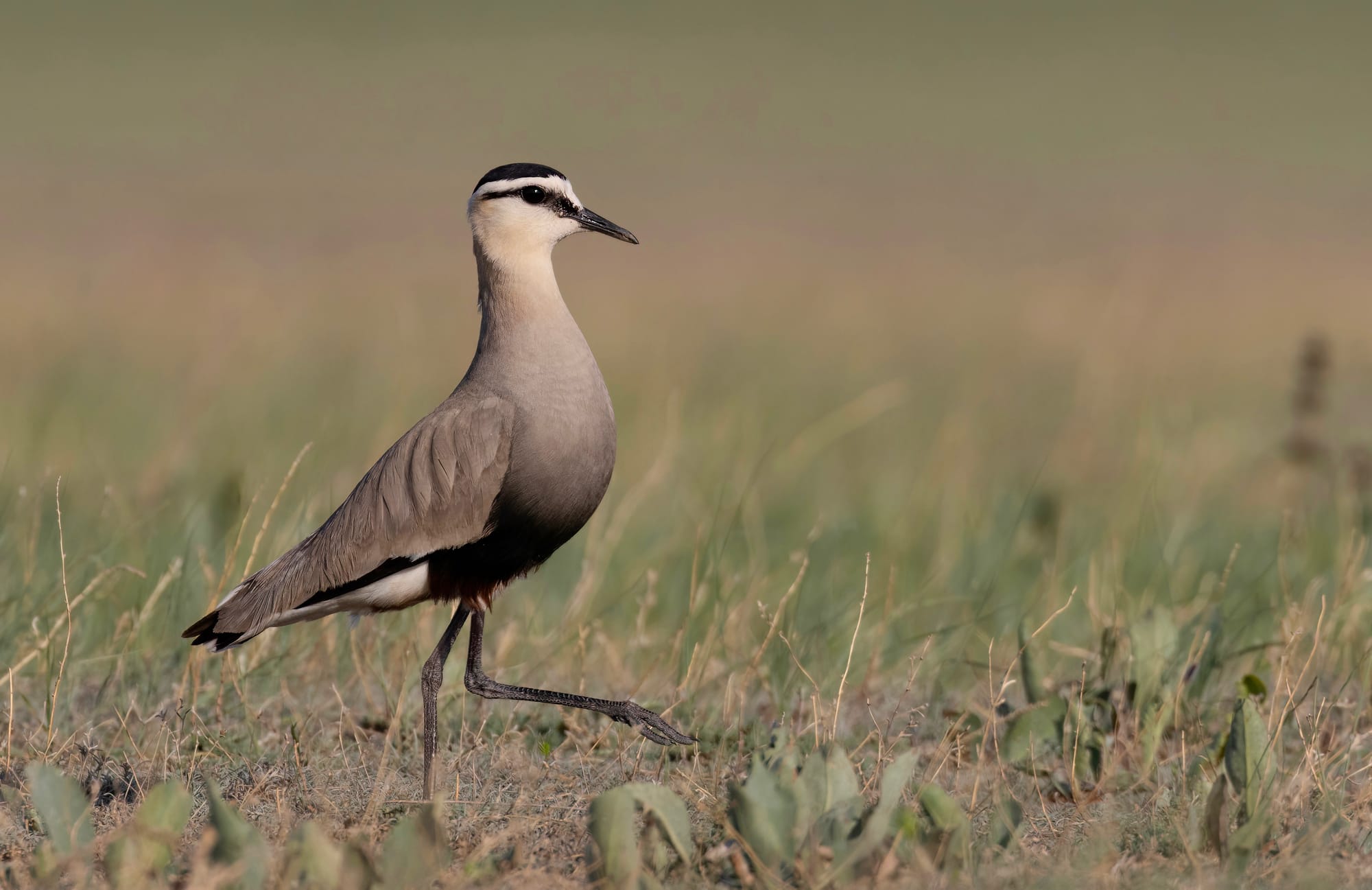
Over the past three decades, AEWA’s approach has delivered tangible gains. Consider the Sociable Lapwing (Vanellus gregarius), a critically endangered steppe breeder with a vast and little-known migratory range. AEWA helped coordinate research across 13 countries, using satellite tracking to uncover key stopovers in the Middle East and Sudan. These data directly informed on-ground protection and raised awareness among hunting communities – an effort that would have been nearly impossible without AEWA’s flyway-wide lens.
Similarly, the Red-breasted Goose (Branta ruficollis), once plummeting toward extinction, benefited from AEWA’s early warnings and coordinated conservation response. AEWA’s species action plan led to roost site protections in Bulgaria and Romania, and international pressure to limit windfarm development near critical habitats.
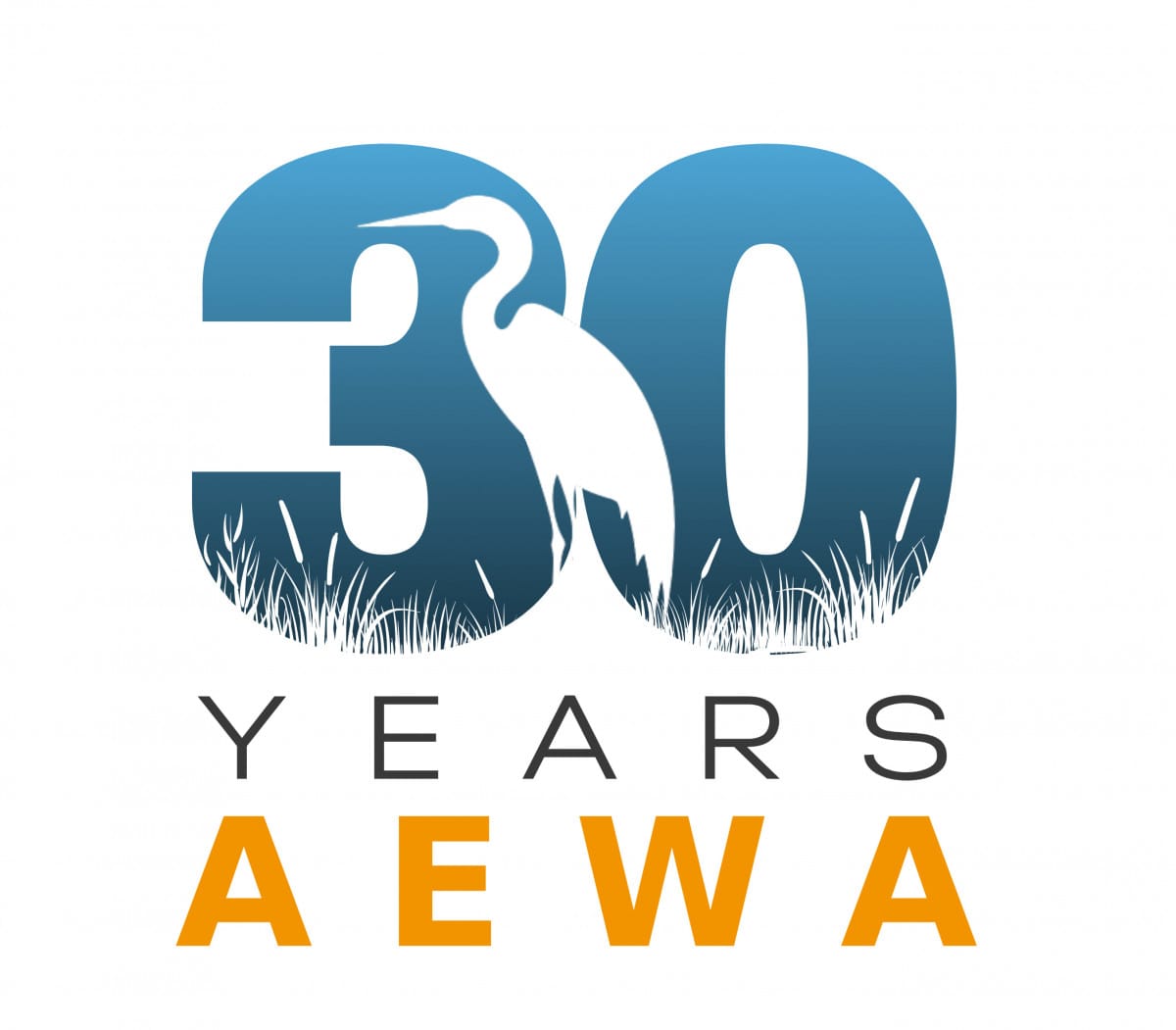
The Northern Bald Ibis (Geronticus eremita) is perhaps AEWA’s most high-profile case. Once restricted to a single wild population in Morocco, it is now subject to one of the world’s most successful reintroduction and monitoring programmes – with AEWA providing the legal and logistical umbrella to align work across countries like Austria, Spain, and Turkey.
AEWA has also been instrumental in sustaining the International Waterbird Census (IWC), run by Wetlands International and supported by AEWA signatories. The IWC provides the long-term datasets that underpin AEWA’s reviews and trigger targeted actions when populations decline.
A Missed Chance for the Slender-billed Curlew
While AEWA has helped turn the tide for many species, its arrival came too late for one of the most iconic casualties of modern extinction: the Slender-billed Curlew (Numenius tenuirostris).
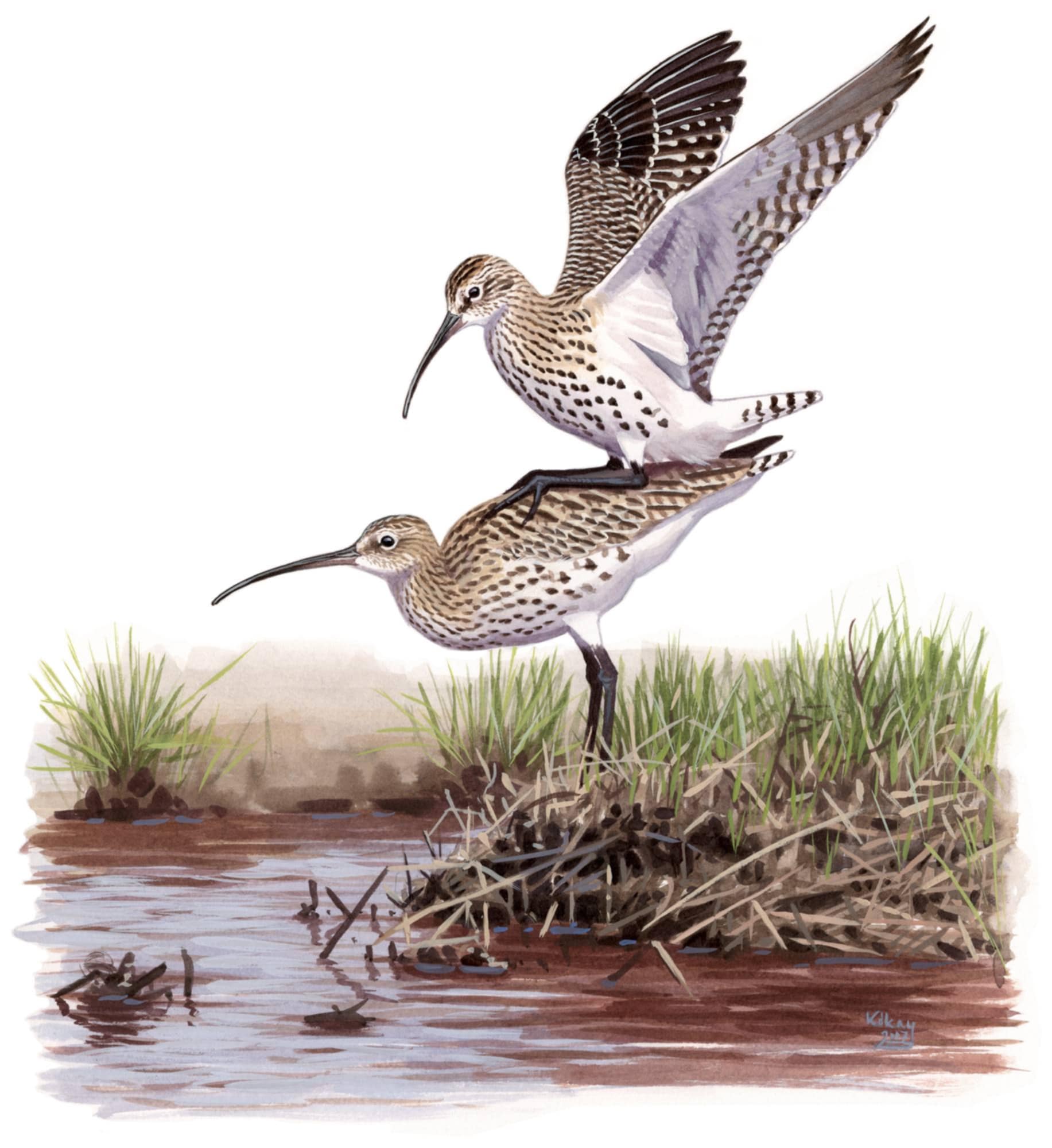
Despite scattered sightings in the late 20th century, no confirmed records have been made in recent years, and the species is now considered functionally extinct.
The curlew’s disappearance – almost silently, and within the borders of some of the world’s most developed nations – serves as a haunting reminder that coordinated international action must come before the brink, not after it. AEWA itself has acknowledged this loss, which underscores the urgency that now defines its mission.
Guiding Conservation at Scale
AEWA’s strength lies not only in coordinating conservation but in institutionalising it. Its Guidelines Series – produced in partnership with leading scientists – has addressed everything from managing hunting sustainably, to minimising disturbance at wetlands, to developing site networks and responding to climate change.
Equally important is AEWA’s work in building national capacity. Through funding mechanisms like the Small Grants Fund, training workshops, and site management planning support, it has helped countries with fewer resources play an active role in international conservation.
By 2024, AEWA had catalysed over 30 single or multi-species action plans, trained hundreds of site managers and wildlife officers, and guided habitat management at dozens of key sites.
A Blueprint for the Future
While AEWA has much to celebrate, challenges persist. Habitat degradation, illegal hunting, and climate-driven shifts in bird distributions continue to test the resilience of flyway populations. AEWA is already evolving to meet these demands – integrating new technologies like satellite tracking and AI-assisted monitoring, and increasingly advocating for cross-sector solutions involving agriculture, energy, and infrastructure.
As it turns 30, AEWA proves that conservation is most effective when it blends robust science, clear policy, and collaborative delivery. In a fragmented world, its story is a rare example of unity with impact – and a vital template for the next era of biodiversity protection.

If you value thoughtful writing about birds and the ideas behind it, you may wish to explore The Thousand Birder Circle.
Explore the CircleReferences
AEWA (2022). Conservation Status Review of Migratory Waterbirds in the AEWA Agreement Area, 8th Edition. AEWA Technical Series No. 93. https://www.unep-aewa.org/en/document/conservation-status-review-8th-edition
Mundkur, T. et al. (2017). Waterbird Population Estimates, Fifth Edition. Wetlands International.
Boehm, C., Smith, M. & Bowden, C. (2013). International Single Species Action Plan for the Conservation of the Northern Bald Ibis. AEWA Technical Series.
AEWA (2020). AEWA Guidelines on Sustainable Harvest of Migratory Waterbirds. AEWA Technical Series No. 62.
Schäffer, N. et al. (2019). AEWA International Species Action Plan for the Sociable Lapwing. UNEP/AEWA Secretariat.
Fox, A.D. et al. (2012). "Current status of the global population of the Red-breasted Goose Branta ruficollis." Ornis Svecica, 22(3–4): 97–106.
BirdLife International (2024). Species factsheet: Numenius tenuirostris. http://datazone.birdlife.org