Editorial statement
The Ornithologist is a non-partisan publication. Our editorial focus is on birds, ecology, and conservation outcomes. We do not endorse political parties, candidates, or electoral campaigns.
This article is republished because it addresses conservation implications associated with the Endangered Species Act. The views and phrasing expressed are those of the author and do not represent an editorial position of The Ornithologist.
Readers are encouraged to engage with the ecological evidence, species-level impacts, and practical conservation considerations presented.
Fifty-two years ago yesterday, President Richard Nixon signed into law the most important wildlife protection legislation in the world. I am not one for American chest beating, but arguably the Endangered Species Act remains the pinnacle of effectiveness and power when it comes to protecting the most fragile species in our midst.
Earlier in 1973, 92 senators and 355 representatives overwhelmingly supported the Act before it reached the president’s desk for signature. Fifty-two years later, the law – and the 2,140 species it protects – are in the greatest fights of their lives, facing threats from Congress, the president and, very likely, the Supreme Court.
Over the past month, hundreds of groups under the umbrella of the Endangered Species Coalition have led efforts to amass 400,000 public comments opposing four proposed changes to this seminal law by the Trump Administration. Only thirty days were granted, with the comment period opening just before Thanksgiving and closing three days ahead of Christmas. The intent was clear: make it complicated, allow little time for feedback, and push it through while Americans were preoccupied with other priorities.
At the same time, a bill in the House sailed out of committee and passed a full House vote to delist Gray Wolves, sending them down a path toward renewed persecution. The bill faces an uncertain future in the Senate, but it is important to note that House Republicans in the New York City metropolitan area – including LaLota, Malliotakis, Garbarino, Smith, Kean and Lawler – sided with far-right representatives such as Boebert and Hageman in the West. Voters in their purple districts would do well to remember this come November.
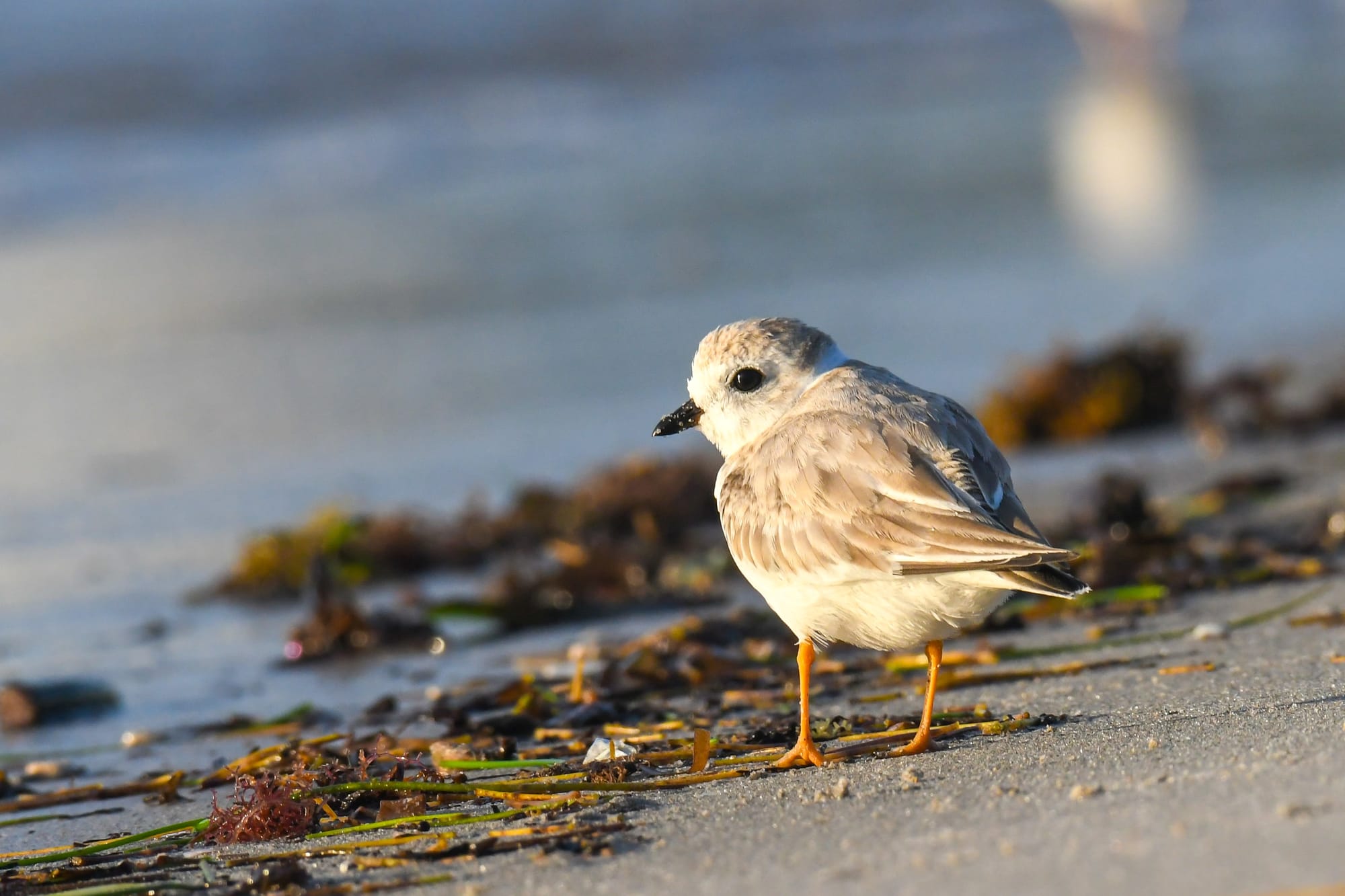
The Endangered Species Act works, having saved 99% of the species under its protection from extinction. From California Condors to Whooping Cranes – and, of course, the Piping Plover – nearly 90 bird species are currently listed as threatened or endangered, according to the U.S. Fish and Wildlife Service (USFWS). Dozens of imperilled bird species are afforded ESA protections in Hawai‘i alone, where habitat destruction and the spread of avian malaria continue to drive declines, underscoring how much work remains for species such as the ʻAkikiki and the ʻAkekeʻe. None of this progress, however, will continue under an administration and political movement hell-bent on dismantling existing safeguards.
Attacks on the ESA are fundamentally out of step with public opinion. Nine out of ten Americans support the law. People love wildlife, and they support wildlife protection. They also respond instinctively to the underdog – to the defence of the most vulnerable among us.
In a coalition press release, I said that “radicals across all branches of the federal government are looking to strip our bedrock environmental and wildlife protection laws of their power and potency, and we won’t stand for it. This isn’t the will of the people. It’s unscientific, unfounded and unethical. The Endangered Species Act works and needs no amendments. This is a last-minute rush to destroy wildlife and push fragile species toward extinction at the eleventh hour of 2025.”
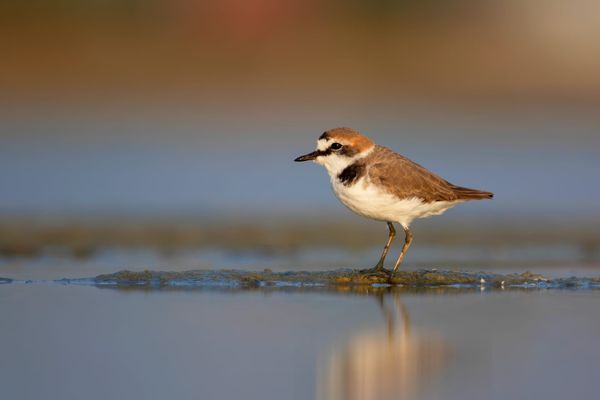
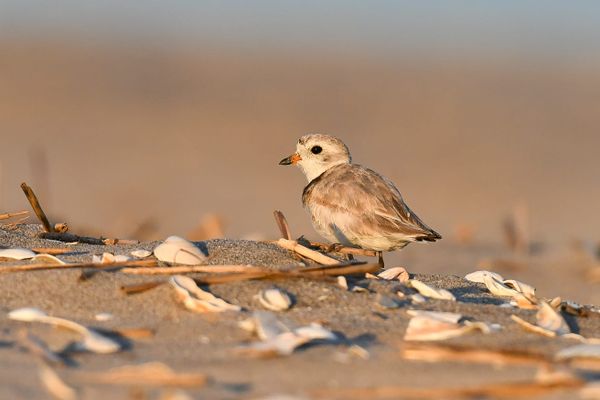
If not for the Endangered Species Act, I know the Piping Plover would be in a far worse position than its already precarious status today. The ESA is the forcing mechanism behind plover protection across our city, state and nation. Without it, agencies and landowners are simply not compelled to act. Piping Plovers from Maine to Florida, North Dakota to Texas, and Michigan to Massachusetts depend on a strong ESA. Weakening it would erase years of dedicated recovery efforts and stewardship programmes.
Many hundreds of species, however, do not benefit from focused projects like the NYC Plover Project or from legions of committed volunteers. Here’s to the tiny fish, freshwater mussels, delicate plants and other organisms that fall outside everyday human conversation. They are no less deserving of protection than the plover.
The Trump Administration’s redefinition of “harm” under the ESA is also expected imminently, once again timed for when public attention is elsewhere. Despite a public comment period earlier this spring, the USFWS is set to rescind the current definition, allowing extensive habitat destruction while narrowing ESA protections to actions that directly kill or injure listed species. Legal challenges are inevitable.
All of this may feel overwhelming – by design. But we cannot give up on the Piping Plover, the Grizzly Bear, the Grey Wolf or the Florida Manatee. As I said in a 15 December interview with The Revelator: “What would the plover want us to do? The plover would want us to fight like hell. That’s what we have to do right now.”

If you value thoughtful writing about birds and the ideas behind it, you may wish to explore The Thousand Birder Circle.
Explore the Circle