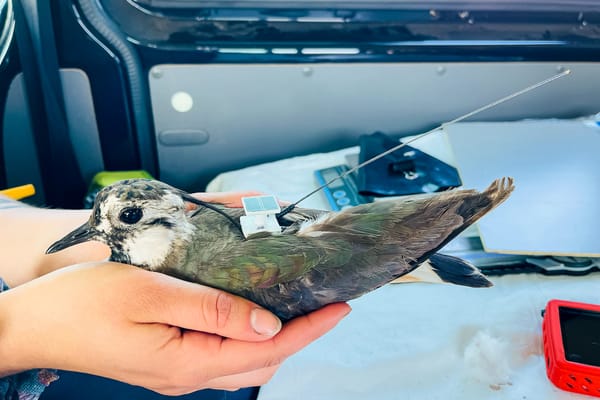
Real-Time, Real Impact: Revolutionary Bird Tracking with Interrex’s UBILINK
Satellite technology is evolving fast – Interrex’s UBILINK system offers a game-changing solution for high-resolution, remote wildlife tracking.
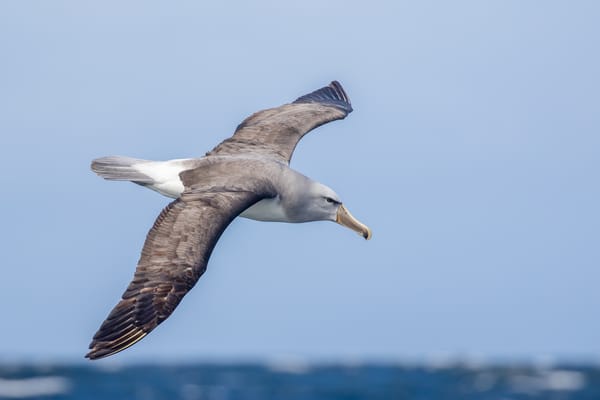



Upstream of Science: The Role of Bird Art in Understanding — An Interview with Szabolcs Kókay
Ornithology begins not with numbers, but with looking. This conversation with Szabolcs Kókay examines how bird art operates upstream from science – shaping what we notice, understand, and value.

Gyorgy Szimuly
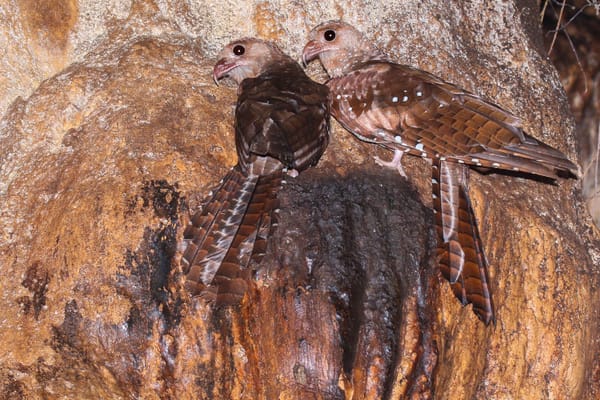
The Ornithologist Launches ‘Conceptual Notes’: Exploring the Unanswered Questions in Ornithology
The Ornithologist has launched a new editorial series titled Conceptual Notes, designed to give space to questions, uncertainties, and unresolved patterns that sit just beyond the boundaries of conventional scientific publishing. The series responds to a familiar tension in ornithology and ecology: while journals excel at reporting methods, results, and conclusions, there is far less room to discuss the moments before hypotheses solidify, or the ambiguities that persist even after d
Gyorgy Szimuly

How European Is the European Roller?
Conceptual Note: This piece sits deliberately between observation and explanation: it outlines what is currently supported by evidence, then turns to the not knowing that remains — treating uncertainty not as a failure of understanding, but as a necessary part of how knowledge advances. The European Roller carries one of the most self-assured names in ornithology. It sounds precise, settled, geographically honest. Yet the bird it describes has always been only partly Eu
Gyorgy Szimuly