Evolution or Plasticity? What the Hermit Thrush Reveals About Climate Change
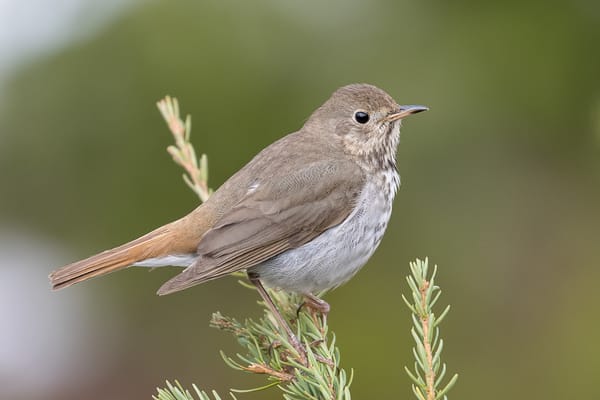
Long regarded as stable, the Hermit Thrush now reveals how environmental change can leave measurable imprints on form and function. © Mark Daly

Evolution or Plasticity? What the Hermit Thrush Reveals About Climate Change

Over four decades, a familiar North American songbird has grown smaller. But genomic evidence reveals that not all of these changes are evolutionary – some may simply reflect the remarkable plasticity of living organisms in a warming world.
Share this post
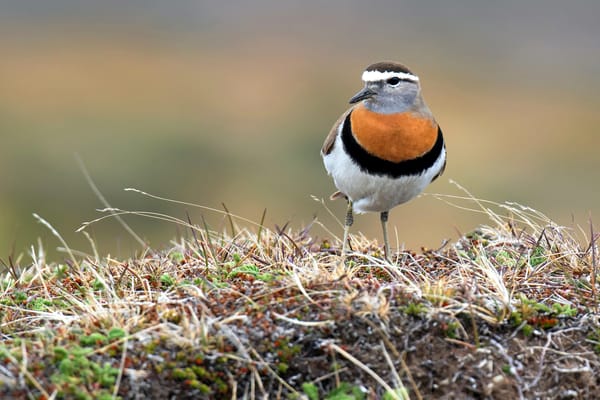
Bound by Coastlines: Genetics and the Hidden Structure of Mexico’s American Oystercatchers
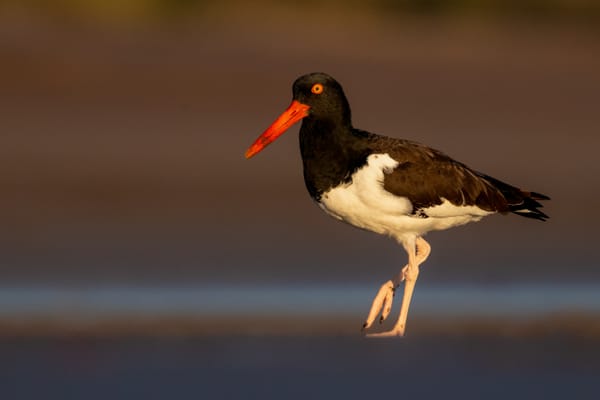
American Oystercatchers along the coast of north-western Mexico inhabit a landscape shaped by strong site fidelity, where breeding populations remain closely tied to specific bays and shorelines despite their ability to travel long distances.© Rain Saulnier

Bound by Coastlines: Genetics and the Hidden Structure of Mexico’s American Oystercatchers

Genetic evidence from Mexico’s coastlines reveals that American Oystercatchers are far less mobile than they appear, shaped by loyalty to place and hidden evolutionary boundaries.


Gyorgy Szimuly

Gyorgy Szimuly

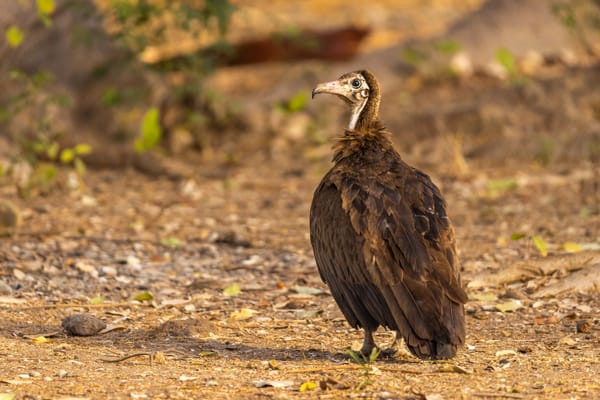
Cormorants: Evolutionary Failure or Underwater Mastermind?
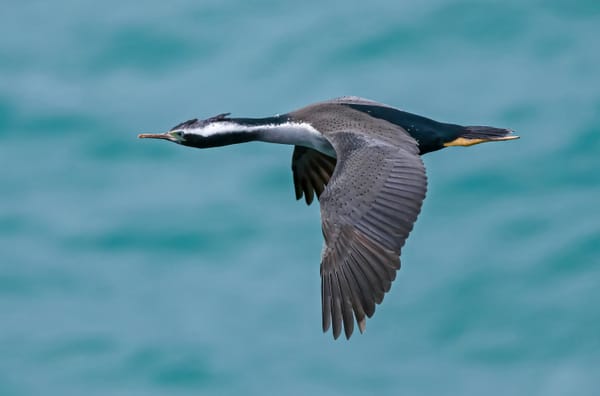
A Spotted Shag demonstrates the streamlined form typical of shags. The same low-drag profile that supports agile flight also contributes to the precise underwater manoeuvrability seen across the cormorant family. © Jeremiah Trimble

Cormorants: Evolutionary Failure or Underwater Mastermind?

Cormorants are often labelled evolutionary misfits for having partially wettable feathers – hardly ideal for a diving bird. Their design is far from flawed. It is a finely tuned adaptation that reveals an unexpected path in the evolution of underwater hunting.


Gyorgy Szimuly
Gyorgy Szimuly

Fabricated Birds: AI and the Future of Ornithology
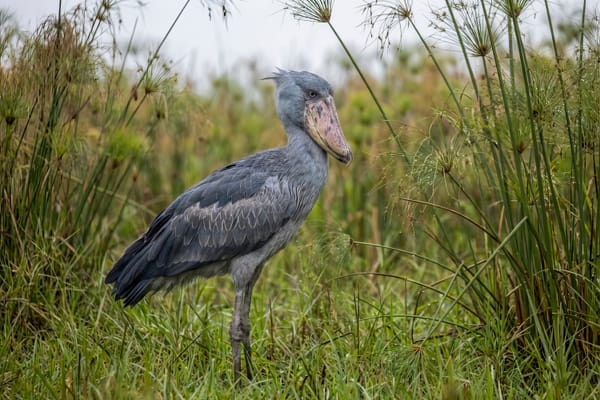
AI-generated image. A Shoebill (Balaeniceps rex) in papyrus habitat. The bird depicted here does not exist – a reminder that in the age of generative imagery, realism is no longer proof of presence. Image created by Daniel Szimuly/The Ornithologist. All rights reserved.

Fabricated Birds: AI and the Future of Ornithology

When we generated a Shoebill that never existed, the realism was flawless – and unsettling. In an age where synthetic plausibility becomes effortless, ornithology must reconsider what authenticity means and how it is protected.


Gyorgy Szimuly

Gyorgy Szimuly

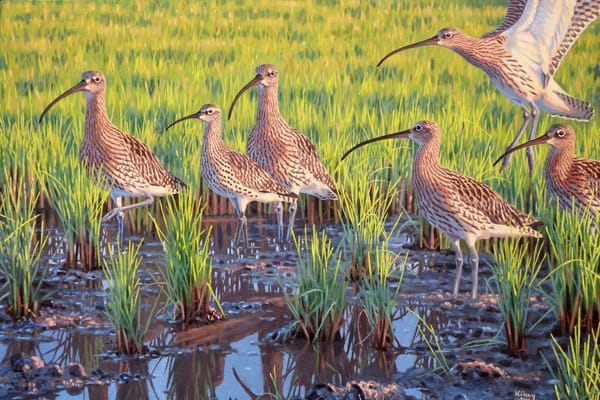
Upstream of Science: The Role of Bird Art in Understanding — An Interview with Szabolcs Kókay
A reconstruction of a species now considered extinct, placed carefully within the landscape that once held it. Slender-billed Curlew with Eurasian Curlews on oil (2010). All Rights Reserved by Szabolcs Kókay

Upstream of Science: The Role of Bird Art in Understanding — An Interview with Szabolcs Kókay

Ornithology begins not with numbers, but with looking. This conversation with Szabolcs Kókay examines how bird art operates upstream from science – shaping what we notice, understand, and value.


Gyorgy Szimuly

Gyorgy Szimuly