Cormorants: Evolutionary Failure or Underwater Mastermind?
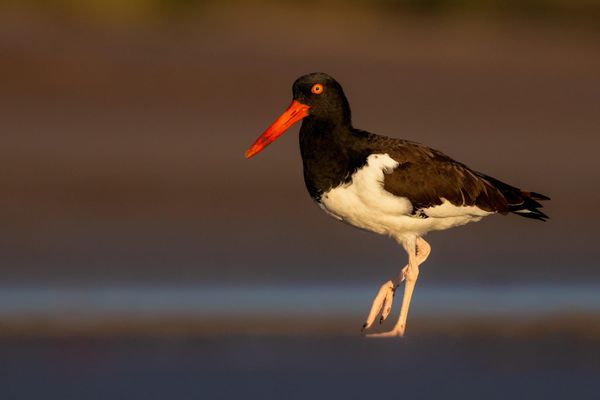
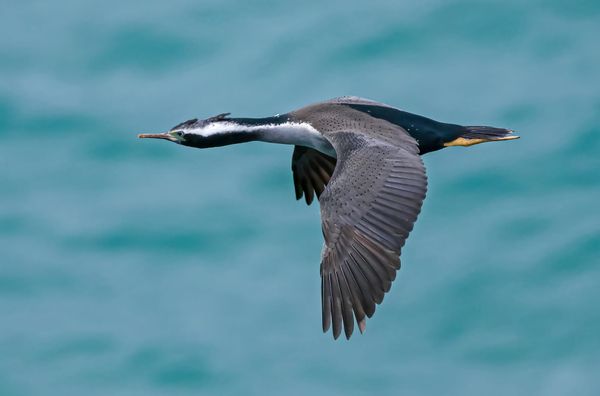
A Spotted Shag demonstrates the streamlined form typical of shags. The same low-drag profile that supports agile flight also contributes to the precise underwater manoeuvrability seen across the cormorant family. © Jeremiah Trimble

Cormorants: Evolutionary Failure or Underwater Mastermind?

Cormorants are often labelled evolutionary misfits for having partially wettable feathers – hardly ideal for a diving bird. Their design is far from flawed. It is a finely tuned adaptation that reveals an unexpected path in the evolution of underwater hunting.

Share this post
What Do Shearwaters Eat? Uncovering a Mediterranean Food Web
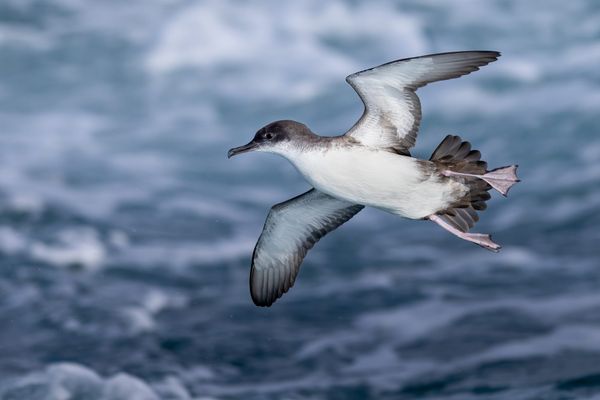
The Mediterranean endemic, Yelkouan Shearwater, relies heavily on small pelagic fish such as anchovies and mackerel, linking its fortunes closely to the region’s marine food web. © Jessica Joachim

What Do Shearwaters Eat? Uncovering a Mediterranean Food Web

DNA metabarcoding and stable isotope analysis reveal how two Mediterranean shearwaters share the same prey — and what that overlap tells us about life in a changing marine ecosystem.


Gyorgy Szimuly

Gyorgy Szimuly

Fabricated Birds: AI and the Future of Ornithology
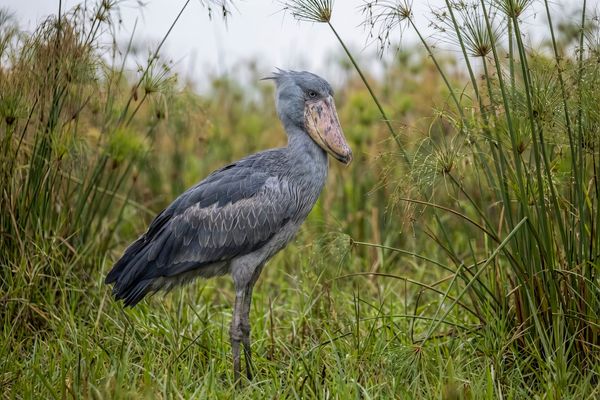
AI-generated image. A Shoebill (Balaeniceps rex) in papyrus habitat. The bird depicted here does not exist – a reminder that in the age of generative imagery, realism is no longer proof of presence. Image created by Daniel Szimuly/The Ornithologist. All rights reserved.

Fabricated Birds: AI and the Future of Ornithology

When we generated a Shoebill that never existed, the realism was flawless – and unsettling. In an age where synthetic plausibility becomes effortless, ornithology must reconsider what authenticity means and how it is protected.


Gyorgy Szimuly

Gyorgy Szimuly