The Sanctuary in the Sidewalk: Trees Rescue Birds in Mexico’s Cities
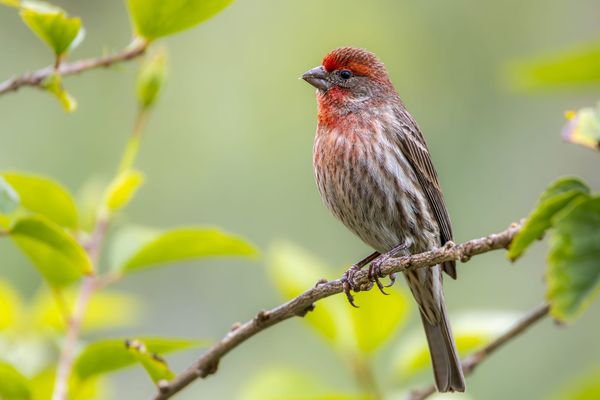
City trees offer shelter and song: House Finches are among the adaptable species thriving in Mexico’s urban nature pockets. © Braxton Landsman

The Sanctuary in the Sidewalk: Trees Rescue Birds in Mexico’s Cities

Even in the heart of a city, a tree can be a sanctuary for birds. A new study from Mexico reveals that urban trees do far more than provide shade – they offer critical nesting and foraging habitats for native species under pressure from habitat loss elsewhere.
Share this post
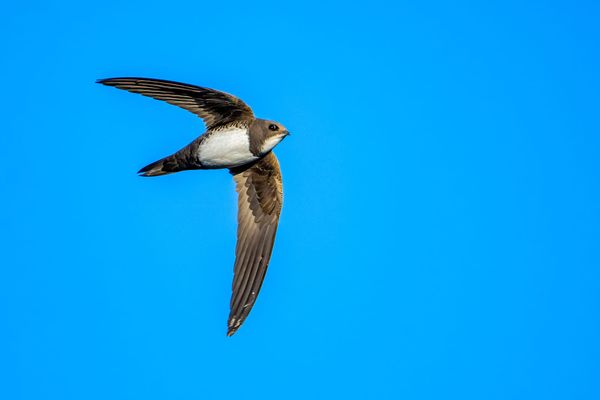
Six Years After First Breeding, Alpine Swifts Are Colonising Hungary
The Alpine Swift was considered a rare visitor to Hungary until breeding was first confirmed in 2020. Six years later, it is breeding in several Hungarian cities, and its numbers continue to grow. / El vencejo real se consideraba un visitante raro en Hungría hasta que se confirmó por primera vez su reproducción en 2020. Seis años después, se reproduce en varias ciudades húngaras y su población sigue creciendo. © James Hoagland

Six Years After First Breeding, Alpine Swifts Are Colonising Hungary

Six years after Alpine Swifts first bred in Hungary, their numbers are increasing and new breeding sites are appearing. What began as an exceptional event is starting to look like an established population.


Gyorgy Szimuly

Gyorgy Szimuly

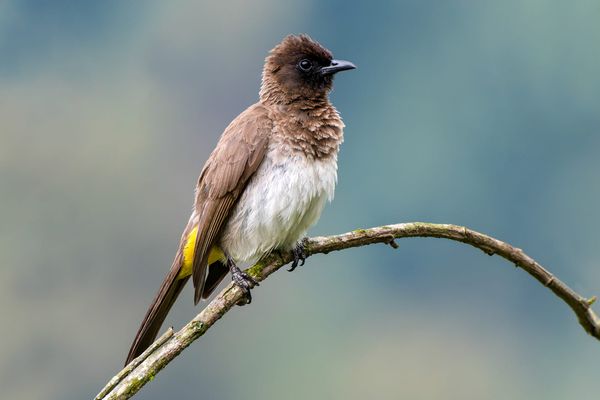
When Can a Bird Afford to Moult?
Common Bulbuls can breed year-round, yet their moult remains strongly seasonal and responsive to body condition and diet. / Los bulbules naranjeros pueden reproducirse durante todo el año, pero su muda sigue siendo marcadamente estacional y responde a la condición corporal y a la dieta. © Jeff Maw

When Can a Bird Afford to Moult?

In Common Bulbuls, the conditions associated with starting moult differ from those associated with completing it quickly. An experiment in Nigeria shows how body condition and diet shape different stages of feather replacement.


Gyorgy Szimuly

Gyorgy Szimuly

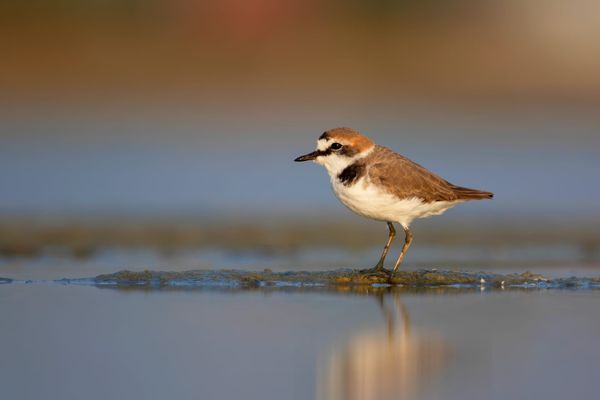
Do GPS Tags Affect Small Shorebirds?
Advances in lightweight GPS technology are allowing researchers to study the movements of even small shorebirds like the Kentish Plover (Anarhynchus alexandrinus) while carefully assessing the welfare implications of tagging. © Ayuwat Jearwattanakanok

Do GPS Tags Affect Small Shorebirds?

Solar-powered GPS tags are opening new possibilities in shorebird research — but how close are we to the limits of what small birds can carry without consequence?


Gyorgy Szimuly

Gyorgy Szimuly

The Art of Recognition: Firefinch Reframes the Path to Becoming an Ornithologist
Unlike photography, illustration allows repeated field impressions to be compressed into a single scene — combining posture, behaviour, habitat, and the way a species is most often remembered by observers in the field. Cotton Pygmy Geese illustrated by Faansie Peacock for Firefinch. © Firefinch / Faansie Peacoc

The Art of Recognition: Firefinch Reframes the Path to Becoming an Ornithologist

Birding apps usually promise speed, certainty, and instant answers. Firefinch moves in another direction entirely – towards attention, illustration, and the slower process of learning how to truly recognise birds.


Gyorgy Szimuly

Gyorgy Szimuly