The forgotten song
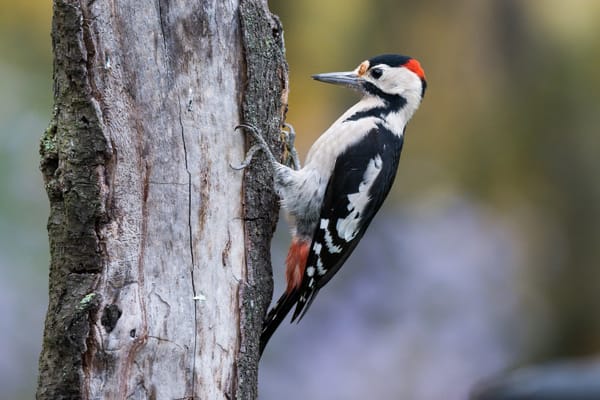
Among birds, few behaviours are as immediately recognisable as the drumming of a woodpecker. Long before the bird itself is seen, the rapid, percussive burst carries across woodland and parkland alike – unmistakable, seasonal, and deeply familiar to anyone who spends time outdoors. And yet, despite its prominence, woodpecker drumming occupies a curious position in ornithology: widely acknowledged, routinely described, but far less often examined with the conceptual depth routinely afforded to avian song.
This imbalance is striking. Drumming is not a marginal behaviour. Across the woodpecker family (Picidae), it is widely used in territorial defence and mating contexts, and its structure can carry reliable species-level information. It is repeatable, individually consistent within individuals, and mechanically demanding. In functional terms, it fulfils many of the same roles as song in passerines – and yet it has never quite entered the same theoretical conversation.
That disparity raises a simple but revealing question: why has one of the most conspicuous non-vocal signals in birds remained comparatively under-synthesised from an evolutionary perspective?
What we know – and know well
The foundational understanding of woodpecker drumming is not in doubt. Comparative work has shown that drums differ systematically among taxa, and that these differences can be sufficient for discrimination among species in local communities. Drumming is not merely incidental noise produced during foraging or excavation; it is a deliberate signal deployed in predictable social contexts, particularly during the breeding season.
Field studies and playback experiments further support drumming’s role as an aggressive signal in territorial encounters and as part of the behavioural repertoire associated with reproduction. In many species, it appears to serve as a primary long-range signal in circumstances where song would play that role in other birds. At a descriptive level, the behaviour is well documented.
What is less clear is how this behaviour fits into broader frameworks of signal evolution.
An asymmetry worth noticing
Avian song has generated entire subdisciplines: bioacoustics, cultural evolution, neuroethology, and mature theory around sexual selection, performance trade-offs, and receiver perception. Songs are routinely treated as signals shaped by morphology, learning, ecology, and social context – and subtle variation is interrogated for information content.
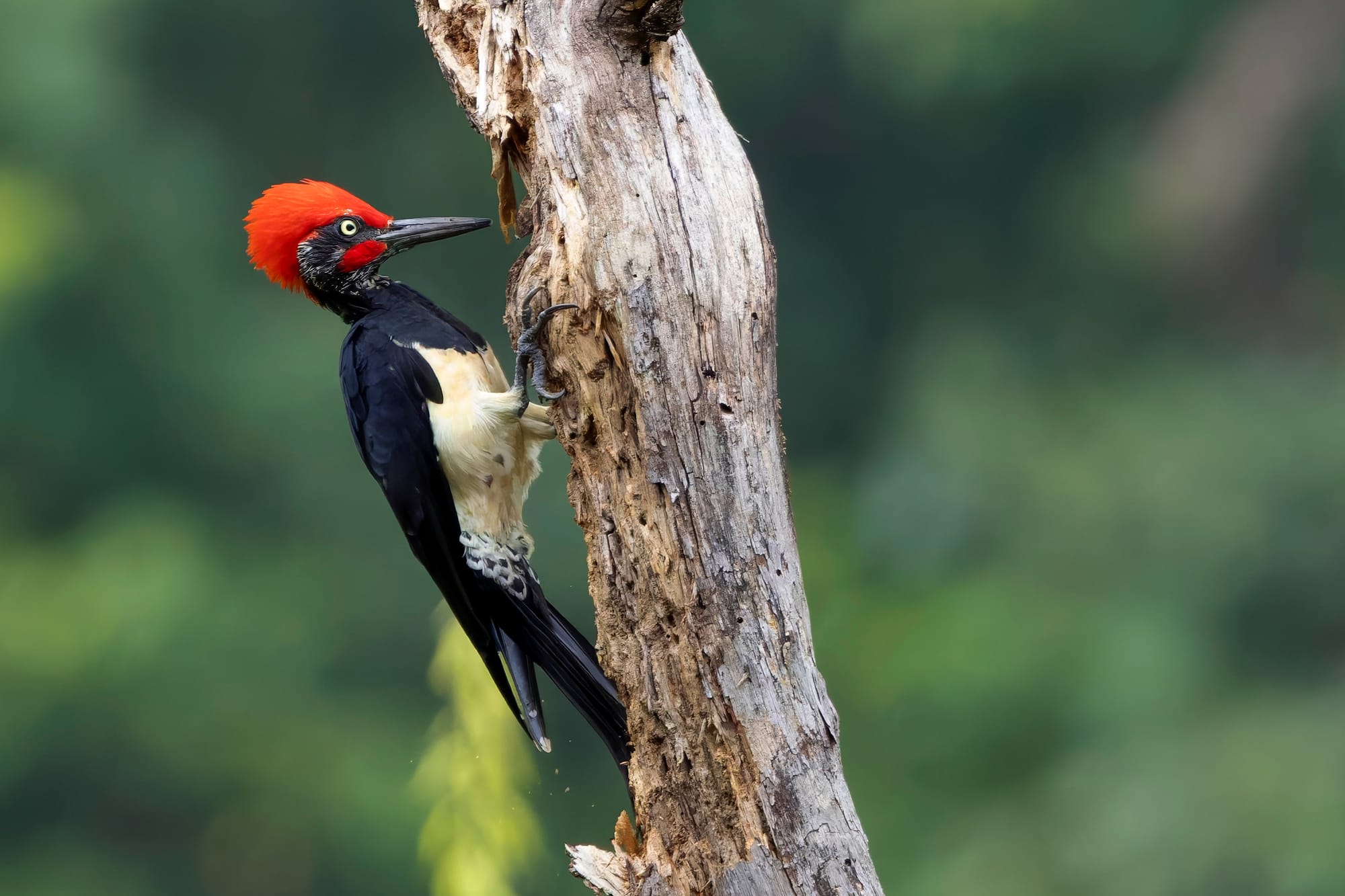
Woodpecker drumming, by contrast, is often treated as functionally “solved” once its territorial and reproductive contexts are established. The behaviour is recognised, categorised, and then – conceptually – set aside.
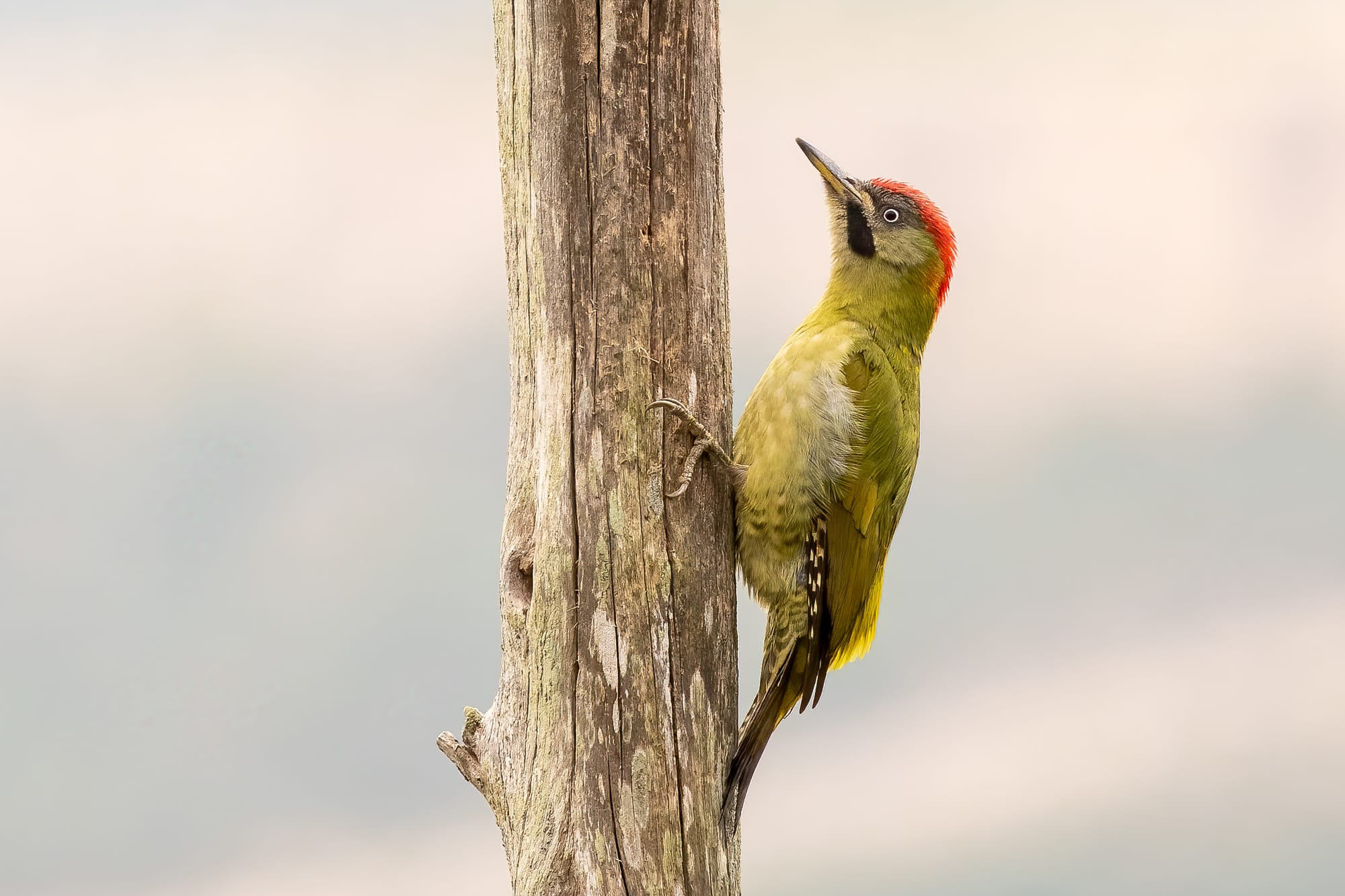
This difference is notable not because drumming has been ignored, but because it has rarely been integrated into the same theoretical machinery applied to other avian signals. It is frequently treated as a special case rather than as a parallel system.
Yet from an evolutionary standpoint, there is little reason to assume it should be treated differently.
Performance, constraint, and honesty
Drumming is mechanically demanding. Producing rapid, precisely timed strikes requires fine motor control, neuromuscular coordination, and repeated high-impact contact. These requirements impose constraints – and where constraints exist, honest signalling becomes a plausible evolutionary route.
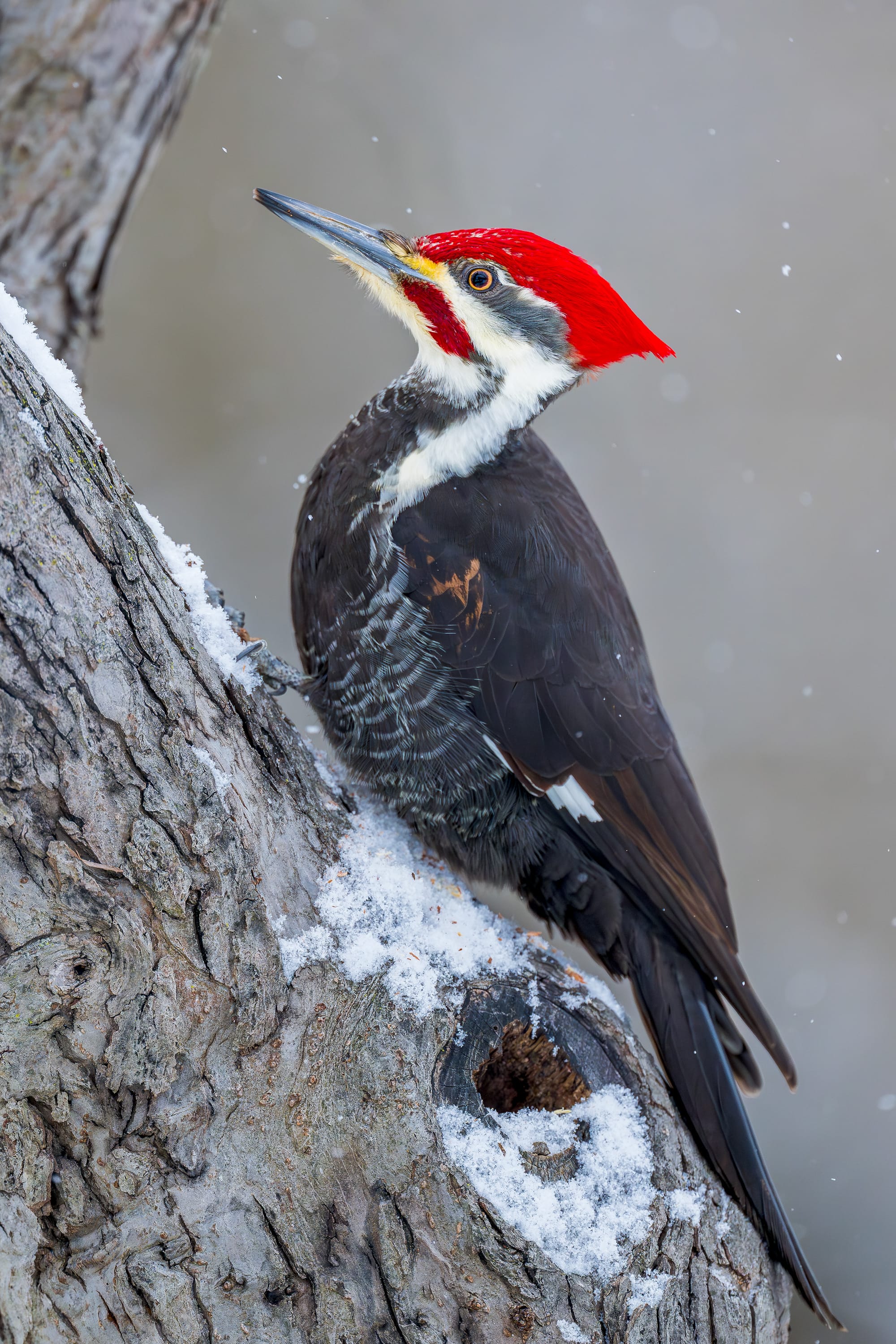
Recent work makes this general point explicit: woodpecker drums provide an opportunity to study how sexual selection elaborates signals under biomechanical constraint, and how neural substrates associated with communication displays may evolve in parallel with those linked to birdsong. At minimum, drumming indicates that performance-based selection is not limited to vocal communication signals.
What remains less directly tested are the fitness consequences of fine-scale variation. Do receivers – rivals or potential mates – assess subtle differences in speed, length, or consistency? Are faster or longer drums reliably associated with competitive outcomes or reproductive success, or are they simply stylistic components within species-specific ‘templates’?
At present, these questions sit at the edge of the literature rather than at its centre.
Where the conceptual gap lies
The limitation is not a lack of observations, but a lack of synthesis. Drumming is still rarely treated as a signalling system routinely subjected to the full range of evolutionary questions asked of song. As a result, several testable ideas remain comparatively underdeveloped.
For example:
- Is woodpecker drumming an honest signal of motor performance or physical condition?
- Do habitat acoustics influence the evolution of drumming structure in the same way they shape song?
- Has divergence in drumming contributed to reproductive isolation among closely related lineages, and if so, under what ecological conditions?
Each of these questions is biologically plausible, grounded in existing evidence, and amenable to empirical testing. None require overturning current understanding – only extending it.
Why might this gap exist?
Several factors likely contribute. Percussive signals pose technical challenges: substrate choice, transmission properties, and context-dependent delivery can complicate analysis. Historically, avian communication research has also been shaped by taxonomic and conceptual bias, with passerine song dominating both the questions asked and the tools designed to answer them.
There is also a cultural element. Song fits neatly into human intuitions about communication and aesthetics. Drumming, despite its clarity, sits slightly outside that tradition – familiar, but less often elevated to the status of a classic model system.
None of these explanations imply neglect. Rather, they suggest path dependence: attention follows established routes unless actively redirected.
Why revisiting drumming still matters
Re-examining woodpecker drumming is not an exercise in novelty. It is an opportunity to test whether our theories of animal communication are as general as we assume – or whether they have been shaped, quietly but profoundly, by a focus on a single signal type.
Drumming pushes us beyond vocal learning, beyond song alone, and towards communication as a product of morphology, biomechanics, and environment combined. In doing so, it invites a broader view of how animals signal – and how we, as observers, decide which signals deserve deeper explanation.
Sometimes progress begins not with new data, but with the decision to ask familiar questions of familiar behaviours – and to notice when those questions have not yet been fully asked.

If you value thoughtful writing about birds and the ideas behind it, you may wish to explore The Thousand Birder Circle.
Explore the CircleReferences
Garcia, M., Theunissen, F., Sèbe, F., Mathevon, N. et al. (2020). Evolution of communication signals and information during species radiation. Nature Communications, 11, 4970. https://doi.org/10.1038/s41467-020-18772-3
Miles, M. C. & Fuxjager, M. J. (2018). Macroevolutionary patterning of woodpecker drums reveals how sexual selection elaborates signals under constraint. Proceedings of the Royal Society B, 285, 20172628. https://doi.org/10.1098/rspb.2017.2628
Schuppe, E. R., Cantin, L., Chakraborty, M., Biegler, M. T., Jarvis, E. R., Chen, C.-C. et al. (2022). Forebrain nuclei linked to woodpecker territorial drum displays mirror those that enable vocal learning in songbirds. PLOS Biology, 20(9), e3001751. https://doi.org/10.1371/journal.pbio.3001751
Schuppe, E. R. & colleagues (2021). Evolutionary and biomechanical basis of drumming behaviour in woodpeckers. Frontiers in Ecology and Evolution, 9, 649146. https://doi.org/10.3389/fevo.2021.649146
Winkler, H. & Short, L. L. (1978). A comparative analysis of acoustical signals in pied woodpeckers (Aves, Picoides). Bulletin of the American Museum of Natural History, 160(1), 1–109. https://digitallibrary.amnh.org/bitstreams/5aaaf5f3-10aa-47e3-a76e-1bbb407afea6/download
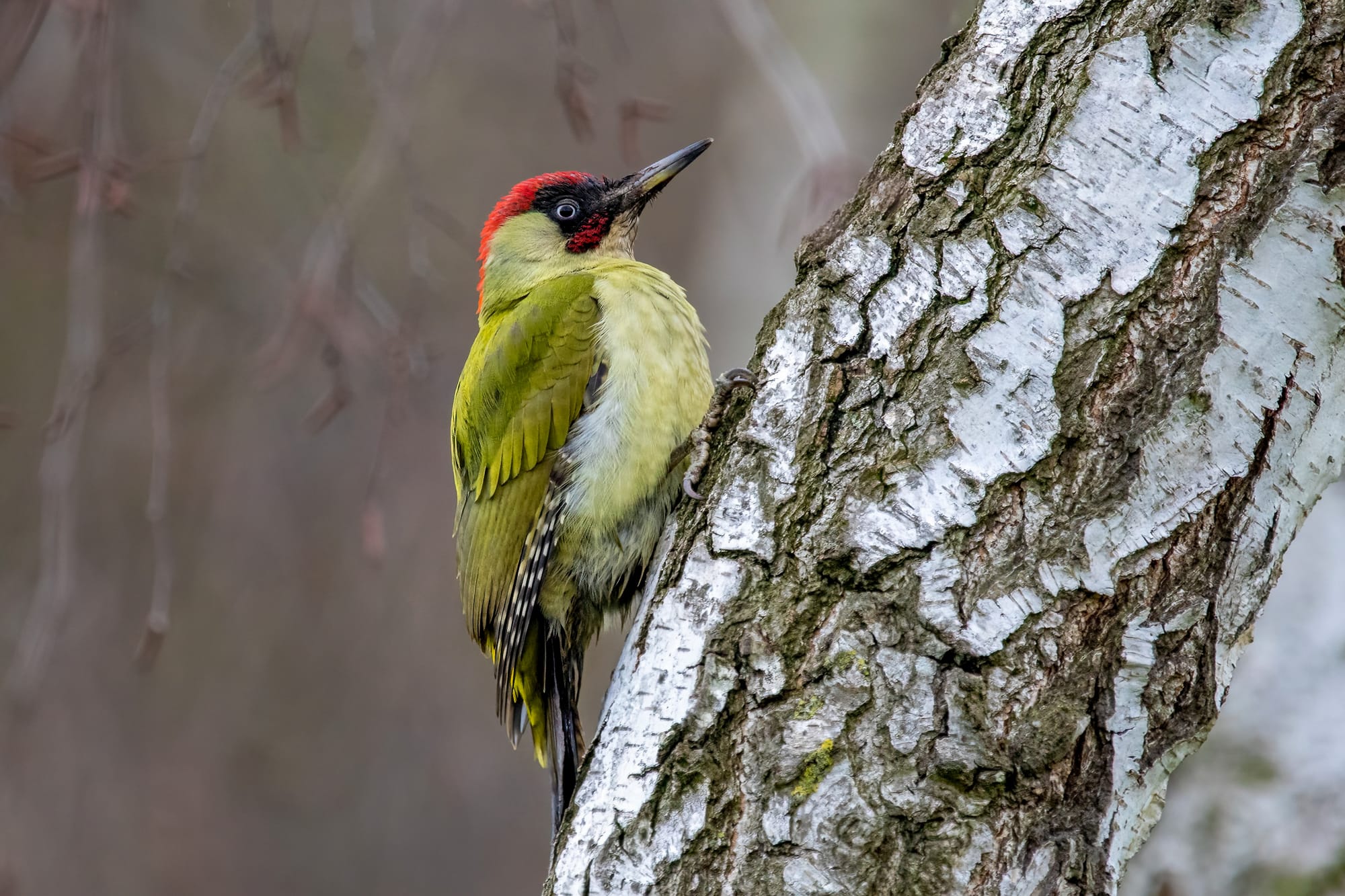
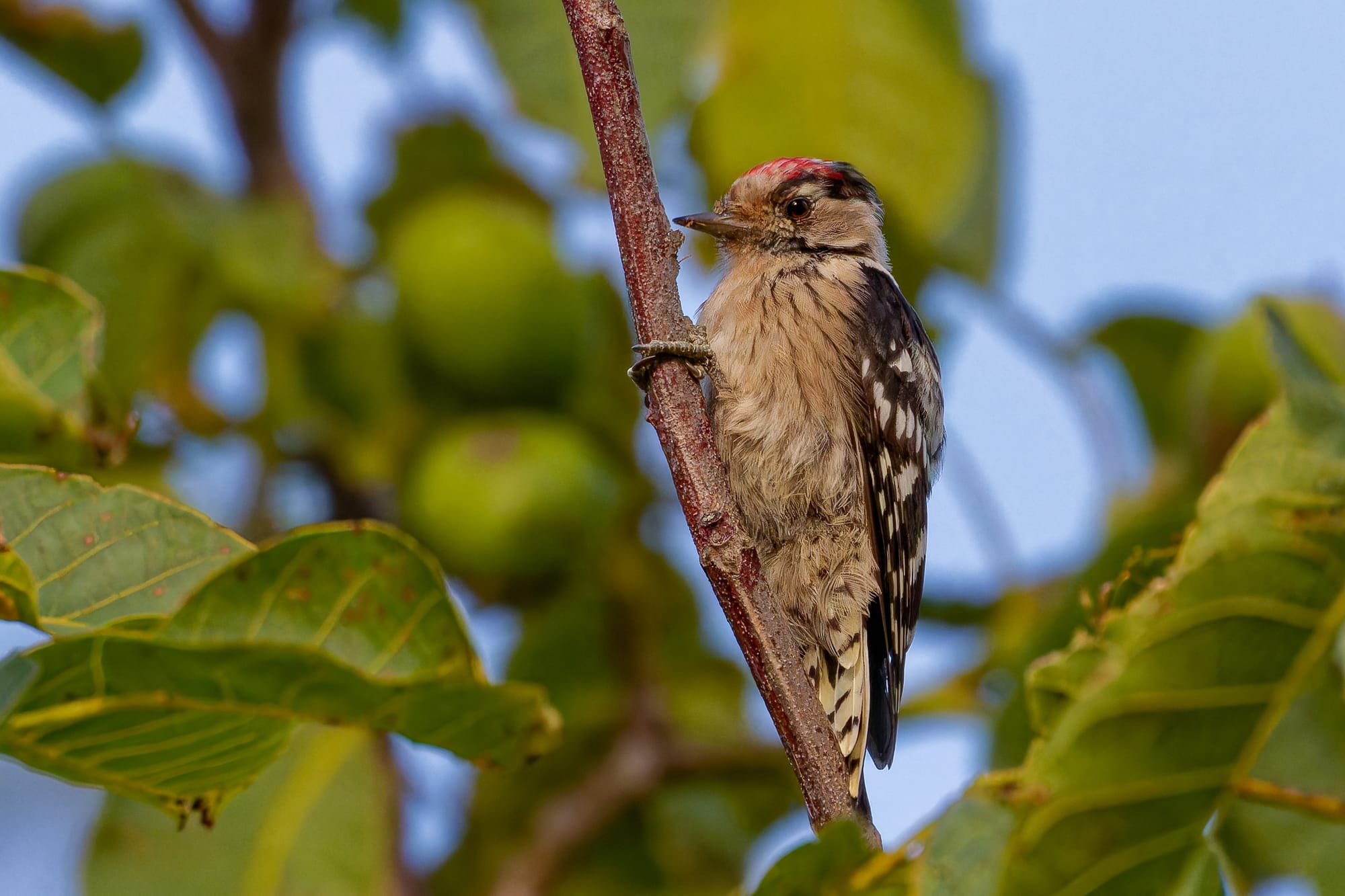
Update: An additional image has been added to illustrate variation in signalling strategies within the woodpecker family.