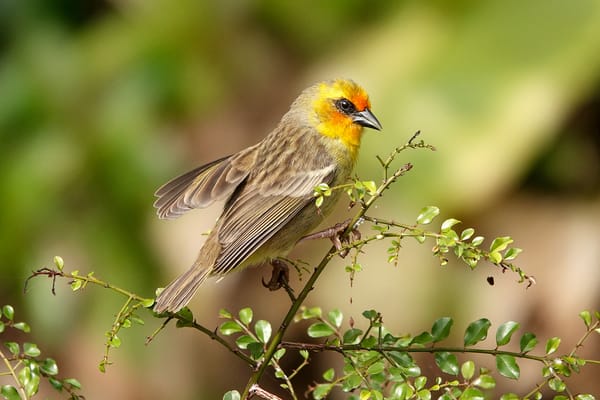
In Defence of Bird Conservation in a Broken World
When the world feels fractured beyond repair, speaking about bird conservation can sound almost indulgent. Yet in the quiet persistence of those who still care, a truth endures: to protect the living fabric of the Earth is not a luxury. It is an act of survival — and of humanity.
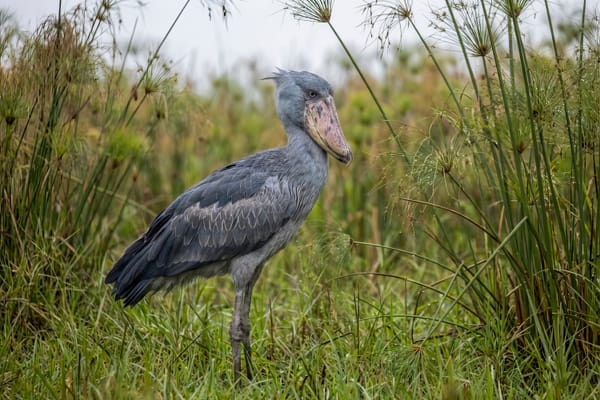
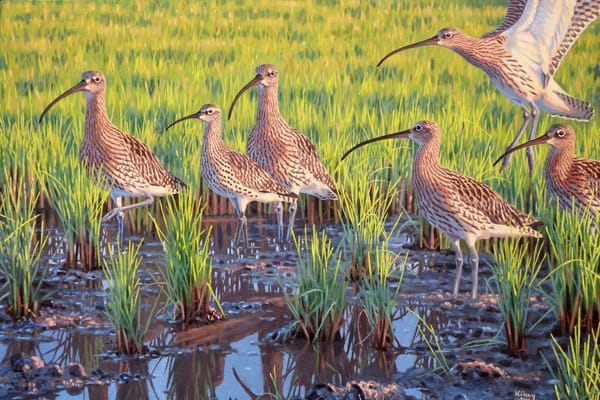
Upstream of Science: The Role of Bird Art in Understanding — An Interview with Szabolcs Kókay
Ornithology begins not with numbers, but with looking. This conversation with Szabolcs Kókay examines how bird art operates upstream from science – shaping what we notice, understand, and value.

Gyorgy Szimuly
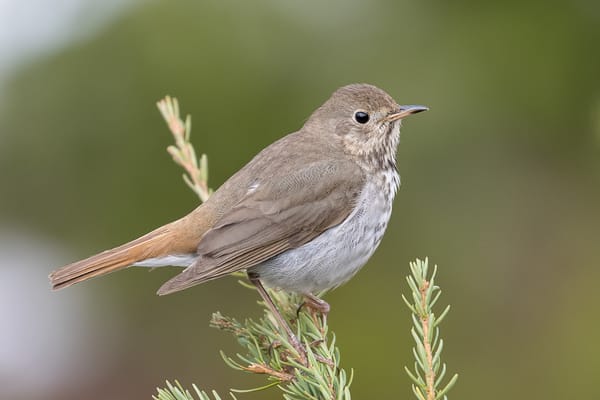
Evolution or Plasticity? What the Hermit Thrush Reveals About Climate Change
Over four decades, a familiar North American songbird has grown smaller. But genomic evidence reveals that not all of these changes are evolutionary – some may simply reflect the remarkable plasticity of living organisms in a warming world.
Gyorgy Szimuly
The Ornithologist Launches ‘Conceptual Notes’: Exploring the Unanswered Questions in Ornithology
The Ornithologist has launched a new editorial series titled Conceptual Notes, designed to give space to questions, uncertainties, and unresolved patterns that sit just beyond the boundaries of conventional scientific publishing. The series responds to a familiar tension in ornithology and ecology: while journals excel at reporting methods, results, and conclusions, there is far less room to discuss the moments before hypotheses solidify, or the ambiguities that persist even after d
Gyorgy Szimuly