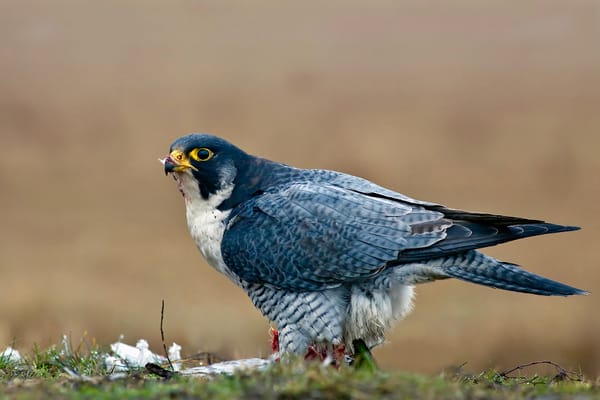
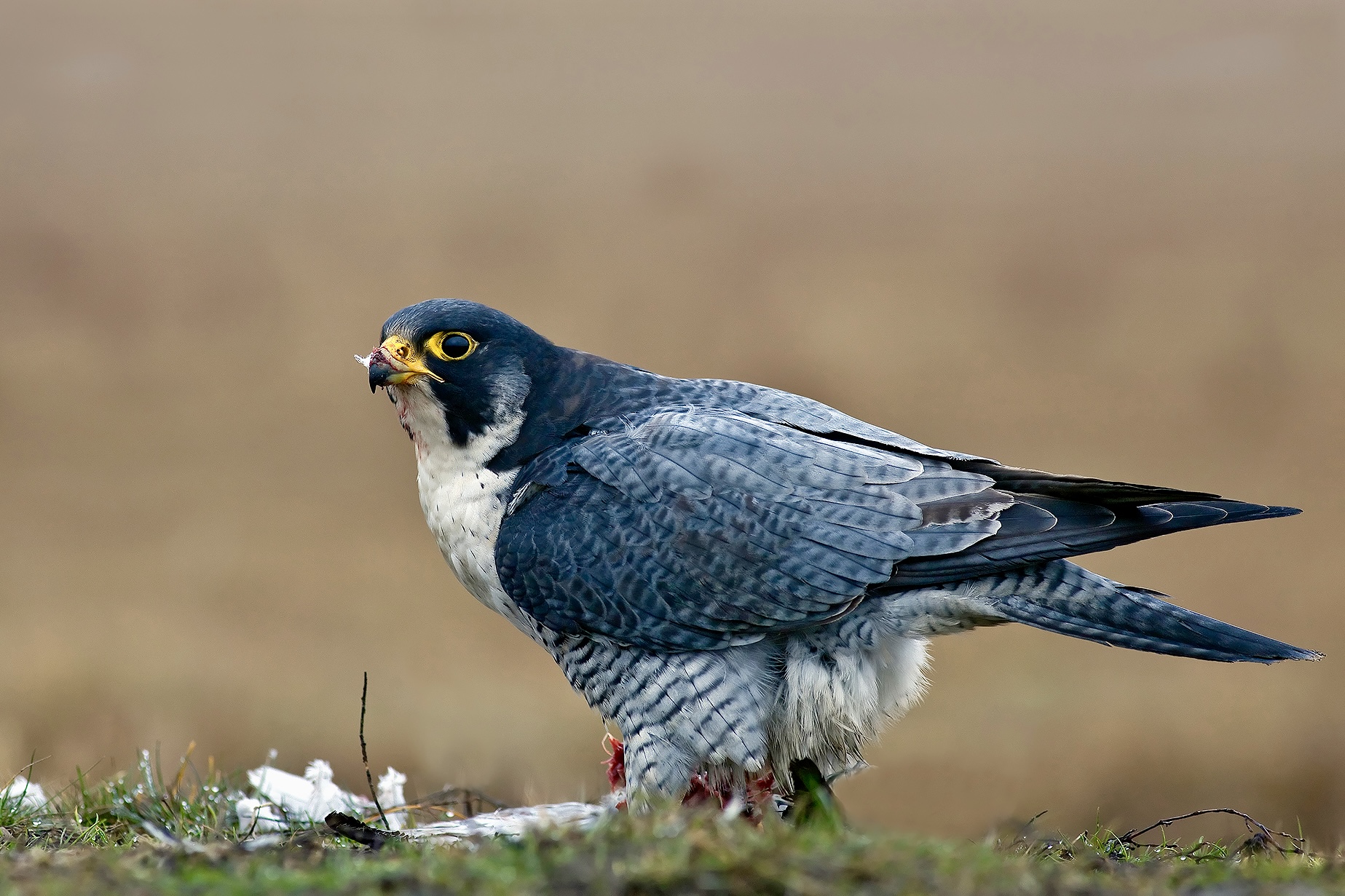
The proposal to downlist the Peregrine Falcon from Appendix I to Appendix II under CITES has prompted a wave of concern among raptor specialists, who warn that the move risks destabilising one of conservation’s most expensive recovery stories. The issue, highlighted in The Parliament Magazine, underscores a broader problem in international wildlife governance: the assumption that population recovery is equivalent to long-term security.
The Peregrine Falcon’s comeback is frequently cited as a triumph of coordinated conservation. Populations collapsed across Europe and North America during the mid-20th century due to organochlorine pesticides, egg collection and persecution, triggering unprecedented investment in protective legislation, research and captive-breeding releases. Governments, NGOs and scientific institutions collectively poured millions into stabilising the species, with some regions still managing legacy threats.
Supporters of downlisting argue that the species has recovered across significant parts of its range and that CITES listings should reflect this progress. A shift to Appendix II would ease restrictions on the international trade of live birds, eggs and derivatives, potentially simplifying regulatory processes for territories where falconry remains culturally and economically influential.
Critics point out that this reasoning overlooks the fragility of the recovery. Pressures have not disappeared; they have simply changed form. Illegal egg collection persists in some markets, falconry demand continues to shape certain trade routes, and the long-term effects of new pollutants are still poorly understood. Experts warn that easing regulations risks reintroducing the very factors that helped drive the species to near-extirpation.
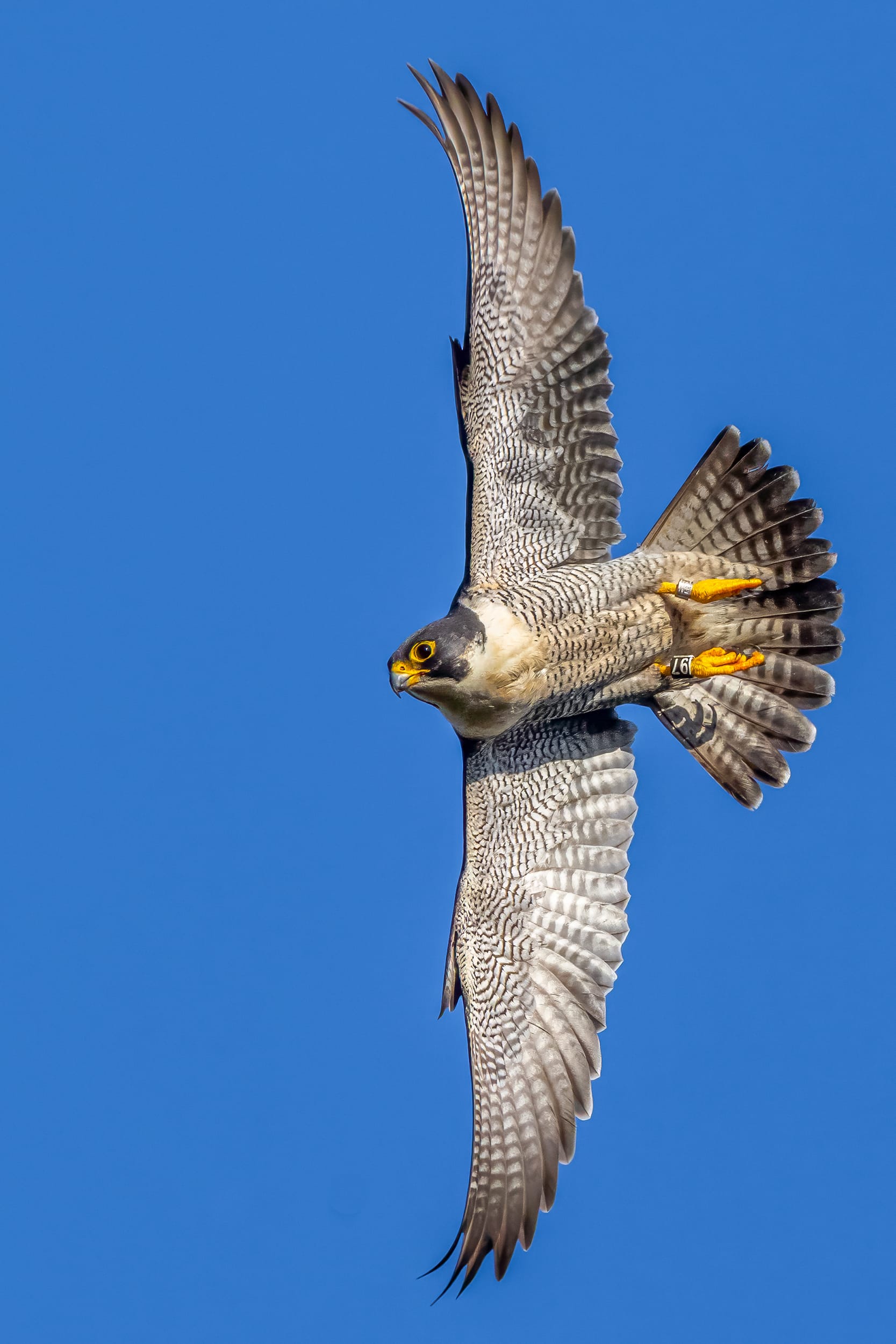
The concern is not hypothetical. Past legal trade mechanisms for raptors have been exploited to launder wild-caught birds, and high-value falconry species remain particularly susceptible. Conservationists argue that maintaining Appendix I safeguards is a comparatively low-cost insurance policy, especially when set against the financial and ecological price of reversing a renewed decline.
Underlying the debate is a systemic flaw in how CITES handles species recovery. After a conservation success is declared, pressure often mounts to reduce protections – even when ongoing monitoring, enforcement and habitat management remain essential. This creates a cycle in which governments and NGOs spend heavily to rescue a species, only to risk having to repeat the process when safeguards are prematurely relaxed.
With negotiations approaching, the decision on the Peregrine Falcon will signal whether international policy treats recovery as a milestone requiring vigilance or an opportunity to reopen trade channels. For a species with a history of exploitation, the margin for error remains narrow. Raptor specialists warn that downlisting now could lead to repeating mistakes the conservation community has already paid dearly to correct.

If you value thoughtful writing about birds and the ideas behind it, you may wish to explore The Thousand Birder Circle.
Explore the Circle